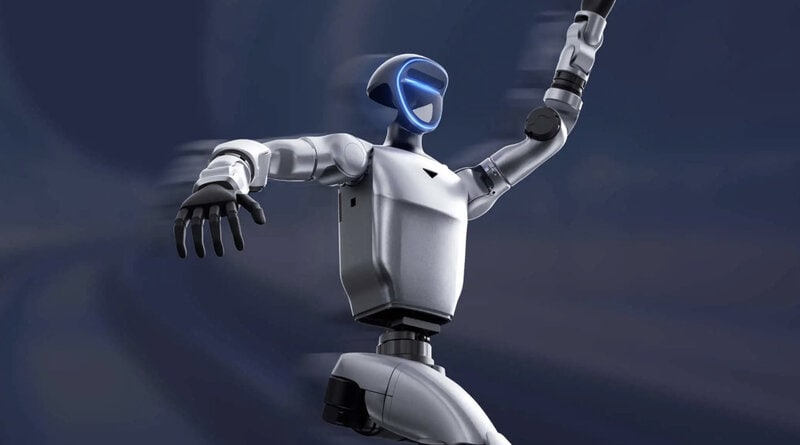



Unitree G1 Brings Advanced Robotics And AI Into A Humanoid Platform
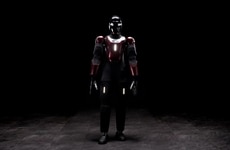
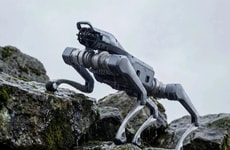
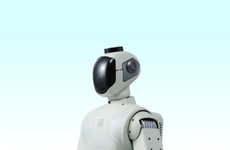
Unitree G1 is a humanoid robot designed for research, development, and real-world robotics applications. It features flexible joints with up to 43 degrees of freedom, allowing it to perform a wide range of movements and interactions. The robot is the type of machine which can also include depth cameras, LiDAR, and optional dexterous hands for more advanced sensing and manipulation.
Its combination of AI capabilities, mobility, and human-like design makes it a platform for developers and researchers exploring the future of robotics. Unitree G1 is also available for purchase, making humanoid robotics technology more accessible to teams and individuals looking to experiment with physical AI. Its range of sensors and movement capabilities gives developers a flexible platform for testing AI-powered tasks in physical environments.
Image Credit: Unitree G1
Its combination of AI capabilities, mobility, and human-like design makes it a platform for developers and researchers exploring the future of robotics. Unitree G1 is also available for purchase, making humanoid robotics technology more accessible to teams and individuals looking to experiment with physical AI. Its range of sensors and movement capabilities gives developers a flexible platform for testing AI-powered tasks in physical environments.
Image Credit: Unitree G1
Modular Growth Gear
Parents are adopting modular youth gear that is adjustable, upgradeable, and serviceable to accommodate fast-growing athletes and reduce the need for full replacement cycles.
Question 1
Do you currently have any children under 18 who participate in organized or recreational sports?
Question 2
Have you ever purchased sports gear designed to adjust as your child grows?
Question 3
When your child outgrows a piece of sports gear, how much of a problem is having to replace it?
Question 4
What bothers you MOST about replacing outgrown gear?
Question 5
How likely would you be to choose sports gear that adjusts or upgrades as your child grows the next time you buy one?
Trend Themes
-
Accessible Humanoid Platforms — Lower-cost humanoid systems are broadening experimentation beyond elite robotics labs, creating openings for faster prototyping of physical AI applications.
-
Embodied AI Testing — AI integrated into mobile human-like machines enables real-world evaluation of perception, movement, and task execution in dynamic environments.
-
Sensor-rich Robotics — Depth cameras, LiDAR, and dexterous manipulators expand robot awareness and interaction, supporting new forms of automated assistance and spatial intelligence.
Industry Implications
-
Robotics — Commercially available humanoid platforms are reshaping robotics development by reducing barriers to hardware experimentation and applied research.
-
Artificial Intelligence — Physical AI systems give developers practical environments for training and validating models that must interpret and respond to the real world.
-
Research and Development — Universities, startups, and innovation teams gain flexible robotic testbeds for exploring automation, human-machine interaction, and advanced mobility concepts.
5.3
Score
Popularity
Activity
Freshness