
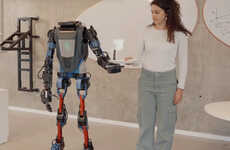





Mobileye And Mentee Advance Physical AI For Humanoid Robotics
Edited by Grace Mahas — January 12, 2026 — Autos
This article was written with the assistance of AI.
References: aibusiness
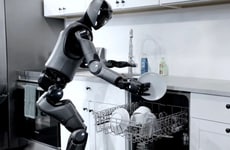
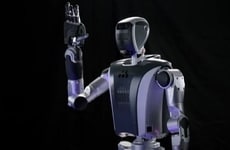
Mobileye announced a planned acquisition of Israeli startup Mentee Robotics in a deal valued at about $900 million, aligning its autonomous driving expertise with next-generation humanoid robots. The move focused on “physical AI,” a term the companies use for robots that can understand, navigate, and interact safely in human-centered environments. If completed, Mentee will operate as an independent business unit within Mobileye, giving the automotive AI leader a dedicated robotics arm.
The collaboration aimed to merge Mobileye’s autonomy stack—including multimodal perception, world modeling, and intent-aware planning—with Mentee’s humanoid platform. Mentee’s system emphasized simulation-first training, few-shot learning, and what it calls human-to-robot mentoring, where robots learn tasks from a small number of human demonstrations instead of massive data collection. The roadmap includes proof-of-concept pilots for humanoid robots this year, with broader commercialization targeted around 2028, subject to regulatory approvals and deal closure.
The collaboration aimed to merge Mobileye’s autonomy stack—including multimodal perception, world modeling, and intent-aware planning—with Mentee’s humanoid platform. Mentee’s system emphasized simulation-first training, few-shot learning, and what it calls human-to-robot mentoring, where robots learn tasks from a small number of human demonstrations instead of massive data collection. The roadmap includes proof-of-concept pilots for humanoid robots this year, with broader commercialization targeted around 2028, subject to regulatory approvals and deal closure.
Modular Growth Gear
Parents are adopting modular youth gear that is adjustable, upgradeable, and serviceable to accommodate fast-growing athletes and reduce the need for full replacement cycles.
Question 1
Do you currently have any children under 18 who participate in organized or recreational sports?
Question 2
Have you ever purchased sports gear designed to adjust as your child grows?
Question 3
When your child outgrows a piece of sports gear, how much of a problem is having to replace it?
Question 4
What bothers you MOST about replacing outgrown gear?
Question 5
How likely would you be to choose sports gear that adjusts or upgrades as your child grows the next time you buy one?
Trend Themes
-
Physical AI Integration — The development of 'physical AI' marks a notable trend, as it integrates intelligent systems with humanoid robots to navigate in human-centered environments.
-
Simulation-first Training — Simulation-first training techniques in robotics pave the way for efficient learning models, reducing reliance on large datasets and improving adaptability.
-
Human-to-robot Mentoring — Human-to-robot mentoring represents a shift in teaching methodologies where robots learn complex tasks from limited human demonstrations.
Industry Implications
-
Autonomous Robotics — The autonomous robotics industry is poised for transformation by merging driving autonomy technologies with humanoid robotic capabilities.
-
Artificial Intelligence — Artificial intelligence advancements open new horizons for creating robots capable of intent-aware and interaction-focused functions.
-
Human-machine Interaction — Human-machine interaction is evolving through innovative learning frameworks that enhance robots' understanding of human emotions and actions.
3.1
Score
Popularity
Activity
Freshness