




wAIste Uses AI to Combat Food Waste in Several Ways
Colin Smith — August 8, 2024 — Social Good
References: linkedin & softwareone
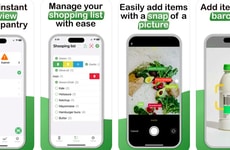
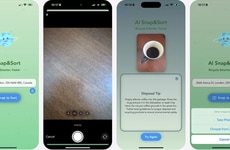
The wAIste tool is an innovative application developed by OpenAI to address sustainability challenges. It leverages artificial intelligence to optimize waste management processes, aiming to reduce environmental impact and improve efficiency. By analyzing data from various sources, wAIste can identify patterns and provide actionable insights for waste reduction. This tool is particularly beneficial for industries and municipalities looking to enhance their sustainability practices and achieve their environmental goals.
One of the key features of wAIste is its ability to predict waste generation and recommend strategies for minimizing waste. It uses machine learning algorithms to forecast waste trends and suggest improvements in waste collection and recycling processes. Additionally, wAIste can assist in monitoring compliance with environmental regulations, ensuring that organizations adhere to legal standards. Overall, the wAIste tool represents a significant advancement in the field of sustainable waste management, offering practical solutions to complex environmental issues.
Image Credit: Shutterstock
One of the key features of wAIste is its ability to predict waste generation and recommend strategies for minimizing waste. It uses machine learning algorithms to forecast waste trends and suggest improvements in waste collection and recycling processes. Additionally, wAIste can assist in monitoring compliance with environmental regulations, ensuring that organizations adhere to legal standards. Overall, the wAIste tool represents a significant advancement in the field of sustainable waste management, offering practical solutions to complex environmental issues.
Image Credit: Shutterstock
Consumer Demand Drives Foldable and Multi-Screen Devices
Consumers are adopting foldable and multi-screen devices as they seek more versatile and pocketable screen options for enhanced mobility and functionality.
Question 1
Which of the following types of devices have you personally used in the past 12 months?
Select up to 8
Question 2
What are the main reasons you use or chose this type of device?
Select up to 3
Question 3
How likely would you be to choose a foldable or multi-screen device the next time you purchase a smartphone, tablet, or laptop?
Trend Themes
-
AI-powered Waste Management — Utilizing artificial intelligence to predict waste trends and optimize recycling processes represents a transformative leap in sustainable practices.
-
Data-driven Sustainability — Harnessing extensive data analysis for actionable insights into waste reduction underscores a modern approach to environmental responsibility.
-
Predictive Waste Solutions — The use of machine learning algorithms to forecast waste generation offers a proactive method for minimizing environmental impact.
Industry Implications
-
Waste Management — The integration of AI in waste management introduces advanced techniques for improving efficiency and reducing environmental impact.
-
Sustainability Consulting — Applying AI-powered tools in sustainability consulting provides enhanced strategies for clients to meet their environmental goals.
-
Municipal Services — Implementing AI solutions in municipal services allows for smarter waste management and greater compliance with environmental regulations.
7.1
Score
Popularity
Activity
Freshness