



Coach's Digital Experience Lets Shoppers Digitally Try Its Tabby Bag
Laura McQuarrie — May 9, 2023 — Business
References: adweek
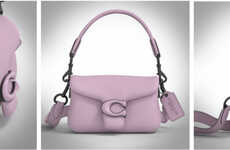
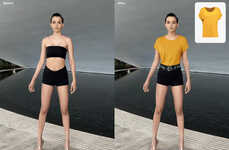
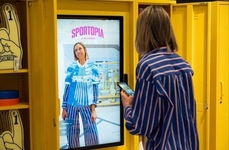
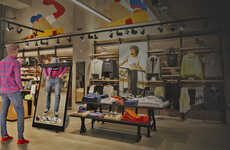
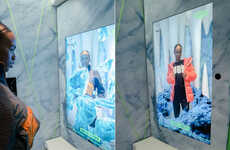
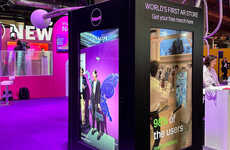
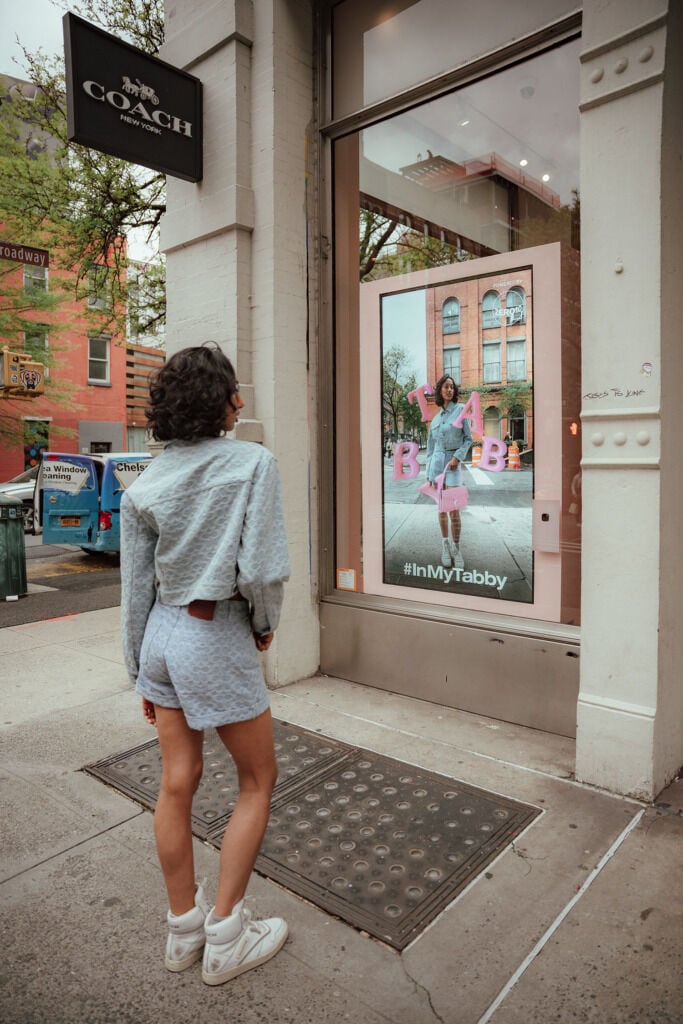
Luxury brand Coach teamed up with augmented reality tech company Zero10 to create an in-store AR Mirror and AR Storefront so that shoppers can digitally try on the brand's Tabby Bag. This experience can be found at the brand's Soho New York store and by standing in front of the storefront or the mirror, consumers can pose with different colors and styles of Tabby Bag without having to physically touch the product.
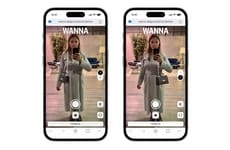
As part of the experience, consumers can access a photobooth mode and download images and share them to social media via Zero10’s app.
Zero10 sees the potential for the AR Mirror to become a fully functional store itself, and its vision is coming to life with this activation.
As part of the experience, consumers can access a photobooth mode and download images and share them to social media via Zero10’s app.
Zero10 sees the potential for the AR Mirror to become a fully functional store itself, and its vision is coming to life with this activation.
Modular Growth Gear
Parents are adopting modular youth gear that is adjustable, upgradeable, and serviceable to accommodate fast-growing athletes and reduce the need for full replacement cycles.
Question 1
Do you currently have any children under 18 who participate in organized or recreational sports?
Question 2
Have you ever purchased sports gear designed to adjust as your child grows?
Question 3
When your child outgrows a piece of sports gear, how much of a problem is having to replace it?
Question 4
What bothers you MOST about replacing outgrown gear?
Question 5
How likely would you be to choose sports gear that adjusts or upgrades as your child grows the next time you buy one?
Trend Themes
-
AR Mirror Technology — Augmented reality mirrors are becoming increasingly common for retail outlets, offering personalized experiences and reducing physical contact, which presents an opportunity to develop AR tools for other industries.
-
AR Storefronts — AR storefronts allow consumers to interact with products through virtual displays, and can be expanded to other areas such as home design, automotive and travel industries.
-
Social Media Integration — Integrating social media into the AR experience enhances the customer’s journey and provides valuable data, creating opportunities for marketing and advertising sectors to offer new and innovative services.
Industry Implications
-
Retail Industry — With the increasing popularity of AR mirrors and storefronts, retailers can reduce the number of physical products, reducing inventory costs and environmental impact.
-
Fashion Industry — Using AR to create virtual dressing rooms can reduce the need for in-person fittings, which would drastically cut costs in the fashion industry.
-
Technology Industry — AR mirrors and storefronts are gaining traction, leading to opportunities in software development for AR and VR, and in hardware design for new displays.
6.9
Score
Popularity
Activity
Freshness