






Startup Superbrewed Food Has Launched Thryvia for Gut Health
Adam Harrie — August 20, 2026 — Lifestyle
References: superbrewedfood & agfundernews
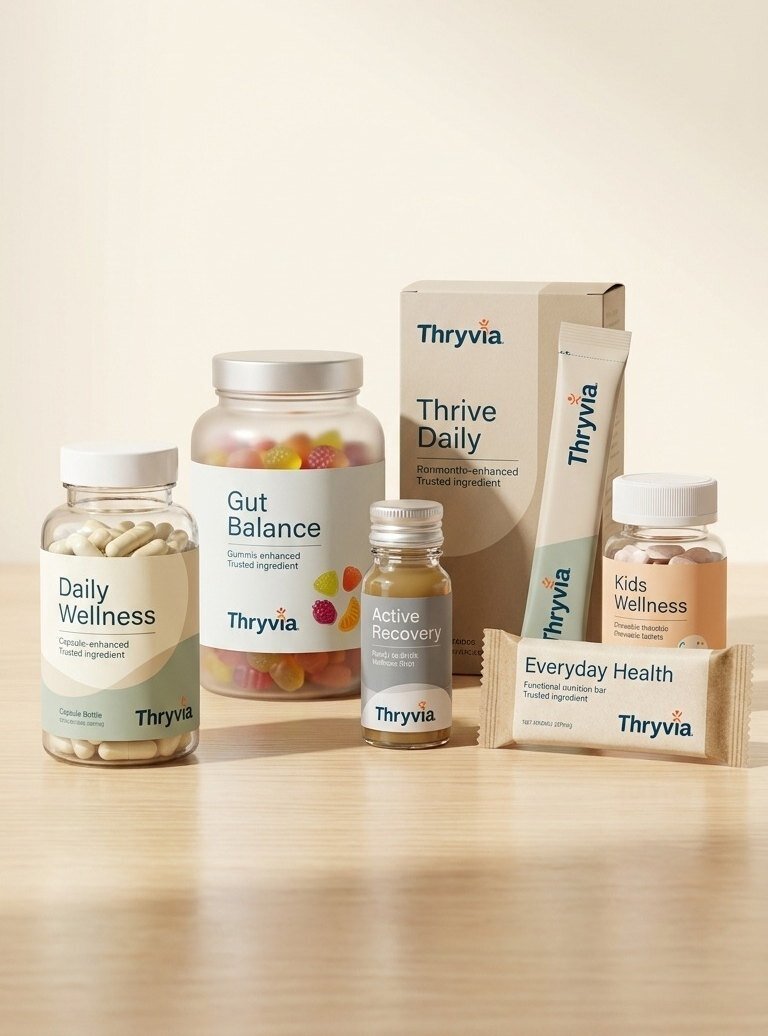
Delaware-based startup Superbrewed Food launched Thryvia, a probiotic ingredient made from the same protein-rich bacterium behind the company's SB1 protein product. It is designed for much lower inclusion rates, around 200 mg per serving. Unlike probiotics that require live microbes and refrigeration, Thryvia uses a heat-killed, non-viable Clostridium tyrobutyricum strain that remains shelf-stable at room temperature, giving brands formulation flexibility across capsules, powders, gummies, bars and even UHT-processed beverages.
As functional food brands increasingly look beyond macronutrients toward broader wellness benefits, Superbrewed is now pursuing randomized, placebo-controlled human trials to substantiate specific structure-function claims, building on the same clinical rigor applied to its SB1 protein line.
Thryvia shows how biomass fermentation technology can be reformulated into a low-dose ingredient addressing an entirely different customer need than its original protein-focused platform.
Image Credit: Superbrewed Food
As functional food brands increasingly look beyond macronutrients toward broader wellness benefits, Superbrewed is now pursuing randomized, placebo-controlled human trials to substantiate specific structure-function claims, building on the same clinical rigor applied to its SB1 protein line.
Thryvia shows how biomass fermentation technology can be reformulated into a low-dose ingredient addressing an entirely different customer need than its original protein-focused platform.
Image Credit: Superbrewed Food
Trend Themes
-
Shelf-stable Postbiotics — Heat-killed microbial ingredients create room-temperature wellness formats that reduce cold-chain dependency and expand gut health into bars, gummies, powders and beverages.
-
Low-dose Functional Ingredients — Small inclusion-rate bioactives allow brands to add clinically positioned benefits without disrupting taste, texture or serving size across mainstream food and supplement products.
-
Fermentation Platform Repurposing — Biomass fermentation systems can generate multiple ingredient categories from the same organism, opening pathways from protein nutrition to targeted microbiome support.
Industry Implications
-
Functional Foods — Gut health claims backed by shelf-stable postbiotic inputs broaden formulation possibilities for everyday snacks, beverages and meal replacements.
-
Dietary Supplements — Capsules, powders and gummies benefit from non-viable microbial ingredients that simplify manufacturing while supporting differentiated digestive health positioning.
-
Food Biotechnology — Clinical validation of fermentation-derived ingredients strengthens the commercial value of microbial platforms beyond commodity proteins and into specialized wellness applications.
7.9
Score
Popularity
Activity
Freshness