






Sleep&Arrive Launched Its Smartwatch Alarm App for Transit Commuters
Edited by Adam Harrie — April 16, 2026 — Tech
This article was written with the assistance of AI.
References: digitaltrends
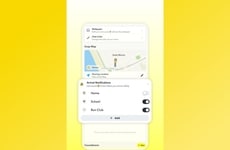
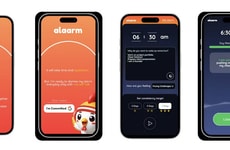
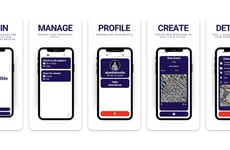
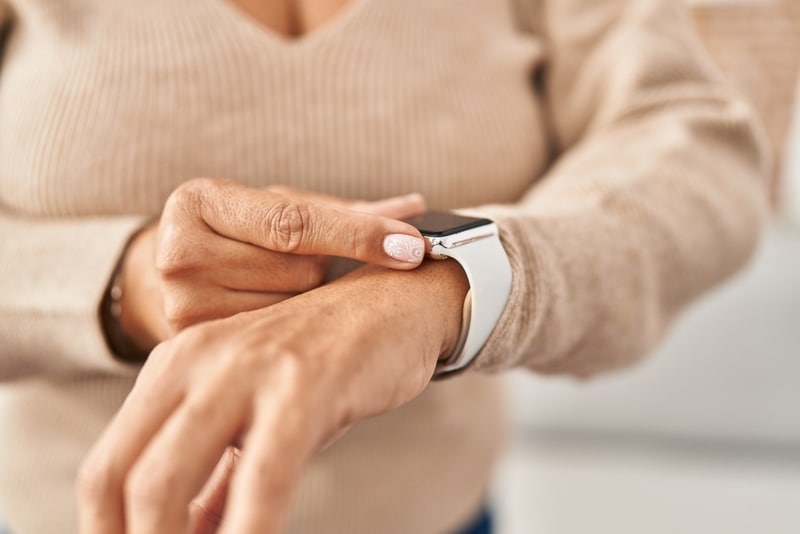
Sleep&Arrive is an Android and Wear OS app designed to wake commuters by location rather than time, featuring a wearable-first alarm that vibrates a smartwatch when users are near a stop. The app launched on Google Play and was designed to reduce missed stops for riders who nod off by tracking their routes and triggering alerts on their wrists.
The app’s free tier handles trip tracking, radius-based alarms and smartwatch syncing, while paid upgrades add offline maps, spoken weather and tougher alarm shutoff options for heavy sleepers. It supports transfers, Bluetooth headphone alerts, progress estimates during GPS gaps and a phone-as-backup if the watch doesn’t respond.
For commuters, the result is a subtler, more context-aware way to arrive, improving reliability on variable transit schedules and in quiet cars. Sleep&Arrive keeps location data local and aims to be a practical safety layer rather than a sole guarantee, fitting a broader trend toward device-native, commute-focused utilities.
Image Credit: Shutterstock / Krakenimages.com
The app’s free tier handles trip tracking, radius-based alarms and smartwatch syncing, while paid upgrades add offline maps, spoken weather and tougher alarm shutoff options for heavy sleepers. It supports transfers, Bluetooth headphone alerts, progress estimates during GPS gaps and a phone-as-backup if the watch doesn’t respond.
For commuters, the result is a subtler, more context-aware way to arrive, improving reliability on variable transit schedules and in quiet cars. Sleep&Arrive keeps location data local and aims to be a practical safety layer rather than a sole guarantee, fitting a broader trend toward device-native, commute-focused utilities.
Image Credit: Shutterstock / Krakenimages.com
Digital Detox Travel Hardware
Consumers are adopting dumbphones and single-purpose gadgets as essential travel hardware to minimize digital distractions during summer trips.
Question 1
During a summer leisure trip, have you ever left your usual smartphone behind and used only a basic phone or "dumbphone" with limited functions?
Question 2
What was the MAIN reason you used this type of device during your trip?
Question 3
On a future leisure trip, how likely would you be to leave your smartphone behind and use only a basic phone with limited functions?
Trend Themes
-
Location-aware Alerts — Contextual alarms that trigger by geofence instead of clock time signal opportunities to redesign user notification systems around spatial intent and reduce reliance on schedules.
-
Wearable-first Commuter Utilities — Smartwatch-centric apps that prioritize haptic and glanceable feedback open the possibility of shifting core commuter interactions away from phones toward always-on wrist devices.
-
Privacy-focused Edge Processing — Keeping route and sensor data local on-device highlights potential for services that deliver real-time location intelligence without centralized data collection.
Industry Implications
-
Public Transit Operations — Transit agencies could integrate location-triggered alerts and passenger-centric notifications to improve rider experience on variable schedule routes.
-
Wearable Device Manufacturers — Manufacturers of smartwatches and bands may benefit from embedding more robust haptic engines and low-latency location APIs tailored to commuter use cases.
-
Mapping and Navigation Services — Mapping providers enhancing offline maps and transfer-aware routing can enable more reliable, localized arrival predictions for low-connectivity environments.
2.6
Score
Popularity
Activity
Freshness