






Michigan Stadium Rolls Out Cup-Return System for 2026
Edited by Adam Harrie — September 29, 2026 — Business
This article was written with the assistance of AI.
References: packagingstrategies
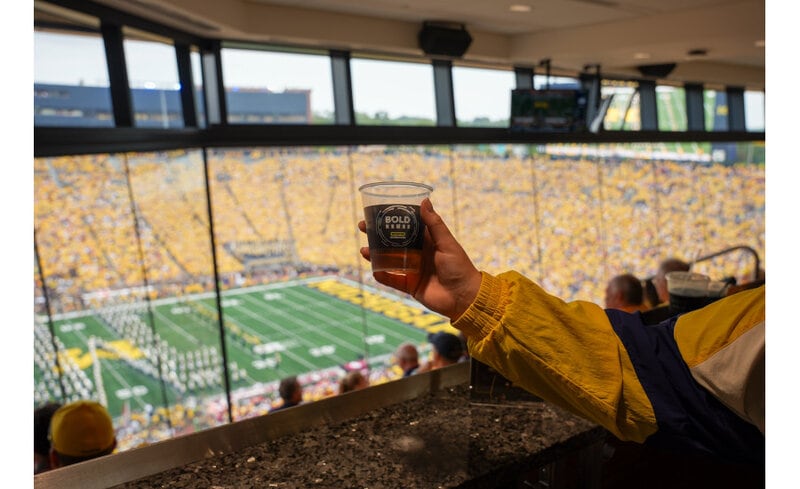
Michigan Stadium is introducing reusable cups for game days, giving fans in suites and clubs a way to reduce waste while they watch football. Michigan Athletics and Learfield Sports and Entertainment are behind the program, which replaces single-use cups with cups that are collected after use, washed, and sent back for future games.
The cups will be used throughout the 2026 football season, so the reuse system is not a one-off stunt. It also aligns the stadium with the University of Michigan’s broader push to reduce waste and expand reuse across campus, turning a high-traffic venue into a working test case for circular service.
For retailers, venues, and concession operators, this shows how packaging can become part of the operations story rather than disposable back-of-house clutter. A stadium setting also makes reuse visible, which can help normalize cup-return systems in larger live-event environments.
Image Credit: Dart Container
The cups will be used throughout the 2026 football season, so the reuse system is not a one-off stunt. It also aligns the stadium with the University of Michigan’s broader push to reduce waste and expand reuse across campus, turning a high-traffic venue into a working test case for circular service.
For retailers, venues, and concession operators, this shows how packaging can become part of the operations story rather than disposable back-of-house clutter. A stadium setting also makes reuse visible, which can help normalize cup-return systems in larger live-event environments.
Image Credit: Dart Container
Modular Growth Gear
Parents are adopting modular youth gear that is adjustable, upgradeable, and serviceable to accommodate fast-growing athletes and reduce the need for full replacement cycles.
Question 1
Do you currently have any children under 18 who participate in organized or recreational sports?
Question 2
Have you ever purchased sports gear designed to adjust as your child grows?
Question 3
When your child outgrows a piece of sports gear, how much of a problem is having to replace it?
Question 4
What bothers you MOST about replacing outgrown gear?
Question 5
How likely would you be to choose sports gear that adjusts or upgrades as your child grows the next time you buy one?
Trend Themes
-
Reusable Venue Packaging — High-traffic entertainment spaces are becoming practical test beds for circular packaging systems that reduce disposables while making sustainability visible to guests.
-
Cup-return Infrastructure — Collection, washing, and redistribution models create new value in operational logistics for brands seeking scalable alternatives to single-use foodservice items.
-
Visible Circular Systems — Public-facing reuse programs can normalize behavioral change by embedding waste reduction into familiar consumer experiences like sports, concerts, and concessions.
Industry Implications
-
Sports Venues — Large stadiums offer controlled environments where reusable serviceware systems can be tested at scale across premium seating, concessions, and fan engagement touchpoints.
-
Foodservice Packaging — Demand for durable, washable, and trackable cups is reshaping packaging design around repeat use, reverse logistics, and venue-specific performance needs.
-
Event Operations — Live-event operators are gaining opportunities to integrate sustainability into crowd flow, cleanup, vendor coordination, and post-event processing systems.
4.7
Score
Popularity
Activity
Freshness