


Volkswagen ID.3 GTI Delivers Rear-Drive Performance
Edited by Adam Harrie — September 16, 2026 — Autos
This article was written with the assistance of AI.
References: electrek.co
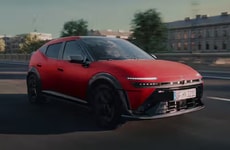
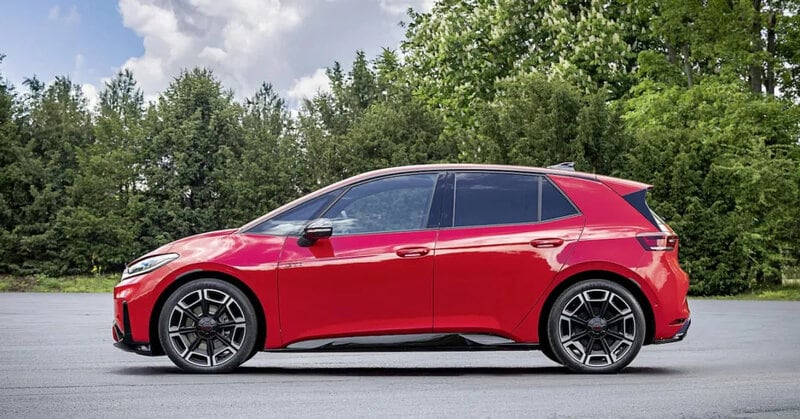
Volkswagen introduced the ID.3 GTI, its first rear-wheel-drive GTI and the most powerful series-production model to wear the badge. The electric hot hatch sends 322 horsepower and 402 pound-feet of torque to the rear axle and accelerates from 0 to 62 mph in 5.6 seconds.
Standard performance hardware includes an adaptive DCC sports chassis, progressive steering, Launch Control and a GTI mode that adjusts the drive, chassis, rear motor and steering. Design details include a red front stripe, 20-inch Wörthersee wheels, sports seats and red cabin accents. Physical controls accompany a 12.9-inch infotainment display and 10-inch instrument cluster.
A 79-kWh battery provides up to 373 miles of WLTP range, according to Volkswagen. The ID.3 GTI also simulates combustion-engine sound, reflecting a broader trend of translating familiar performance cues into EVs. For Volkswagen, electrifying the GTI badge extends a 50-year performance identity into its battery-powered lineup while targeting traditional enthusiasts.
Image Credit: Electrek
Standard performance hardware includes an adaptive DCC sports chassis, progressive steering, Launch Control and a GTI mode that adjusts the drive, chassis, rear motor and steering. Design details include a red front stripe, 20-inch Wörthersee wheels, sports seats and red cabin accents. Physical controls accompany a 12.9-inch infotainment display and 10-inch instrument cluster.
A 79-kWh battery provides up to 373 miles of WLTP range, according to Volkswagen. The ID.3 GTI also simulates combustion-engine sound, reflecting a broader trend of translating familiar performance cues into EVs. For Volkswagen, electrifying the GTI badge extends a 50-year performance identity into its battery-powered lineup while targeting traditional enthusiasts.
Image Credit: Electrek
Consumer Demand Drives Foldable and Multi-Screen Devices
Consumers are adopting foldable and multi-screen devices as they seek more versatile and pocketable screen options for enhanced mobility and functionality.
Question 1
Which of the following types of devices have you personally used in the past 12 months?
Select up to 8
Question 2
What are the main reasons you use or chose this type of device?
Select up to 3
Question 3
How likely would you be to choose a foldable or multi-screen device the next time you purchase a smartphone, tablet, or laptop?
Trend Themes
-
Electric Heritage Badges — Legacy performance nameplates gain new relevance as automakers translate familiar driving identities into battery-powered platforms.
-
Simulated Performance Cues — Artificial engine sounds, launch modes, and configurable dynamics create differentiation in EVs by recreating emotional elements of combustion-era driving.
-
Rear-drive Hot Hatches — Compact EV architectures enable rear-wheel-drive layouts that reshape affordable performance positioning for enthusiast-focused hatchbacks.
Industry Implications
-
Electric Vehicles — Performance-oriented EV models broaden market appeal by pairing long-range batteries with enthusiast features once tied to gasoline powertrains.
-
Automotive Design — Cabin controls, sporty visual codes, and digital interfaces present new ways to merge nostalgia with modern electric mobility experiences.
-
Performance Aftermarket — Software-defined chassis settings, synthetic sound profiles, and EV-specific accessories expand customization potential for next-generation enthusiast vehicles.
3.9
Score
Popularity
Activity
Freshness