






Samsung Has Introduced a Paid SmartThings API Tier
Edited by Adam Harrie — July 11, 2026 — Tech
This article was written with the assistance of AI.
References: community.smartthings & engadget
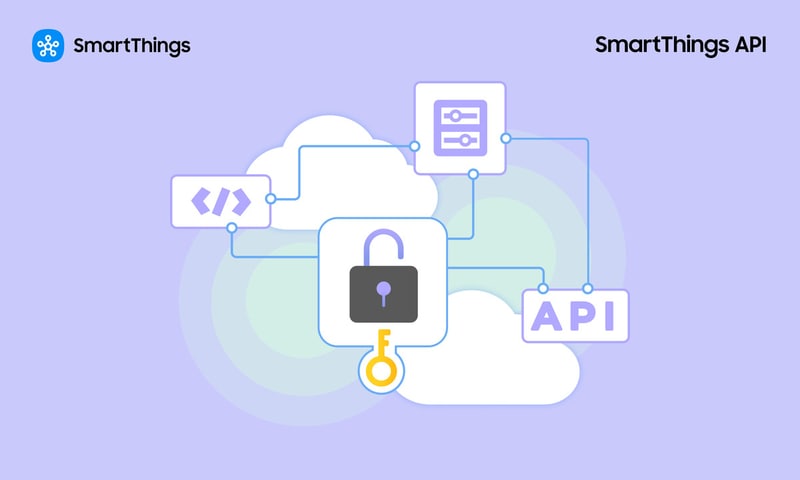
Samsung introduced a paid tier for its SmartThings API, announcing a new $5 monthly plan for non-commercial individual developers designed to monetize access to the company's smart home developer platform. The change is intended to help fund enterprise-grade features and a forthcoming Developer Center hub, with Samsung also planning expanded integrations and usage insights to help developers optimize their code.
The new pricing primarily affects developers using third-party platforms such as Home Assistant and users with custom smart home automations, while the core SmartThings app experience remains unchanged. The rollout begins in October, with API access remaining free until then.
For consumers, the new fee could add recurring costs for DIY smart home setups that rely on third-party integrations. The move reflects the broader trend of platform providers placing advanced developer tools and services behind subscription models.
Image Credit: Samsung
The new pricing primarily affects developers using third-party platforms such as Home Assistant and users with custom smart home automations, while the core SmartThings app experience remains unchanged. The rollout begins in October, with API access remaining free until then.
For consumers, the new fee could add recurring costs for DIY smart home setups that rely on third-party integrations. The move reflects the broader trend of platform providers placing advanced developer tools and services behind subscription models.
Image Credit: Samsung
Paywalls for smart home APIs
Helps gauge who relies on third-party smart home integrations and how likely readers are to pay, switch platforms, or simplify their setup when developer access becomes paid.
1 / 3
When was the last time you used a third-party smart home integration?
2 / 3
If a smart home API you rely on cost $5/month, would you pay it?
3 / 3
If an API became paid, what would you be most likely to do?
Trend Themes
-
Subscription Developer Apis — Platform owners are converting once-free developer access into recurring revenue streams, creating openings for alternative ecosystems built around transparent pricing and open tooling.
-
DIY Smart Home Monetization — Custom automation users face new costs as connected home platforms commercialize advanced integrations, highlighting demand for affordable self-managed control layers.
-
Usage-driven Developer Tools — Expanded analytics and optimization insights are becoming premium features, signaling room for intelligence-focused services that help developers manage connected device performance.
Industry Implications
-
Smart Home Technology — Connected home providers are reshaping ecosystem economics through paid access models that may shift consumer preference toward interoperable and lower-cost automation platforms.
-
Developer Platforms — API marketplaces and developer hubs are evolving into subscription-based business units, leaving space for differentiated offerings centered on accessibility and community support.
-
Consumer Electronics — Hardware brands are extending revenue beyond device sales through software services, revealing opportunities for products that bundle long-term integration value into the ownership experience.
6.2
Score
Popularity
Activity
Freshness