




Pavlov Helps Users Reduce Impulsive Scrolling with Intentional Delays
References: apps.apple
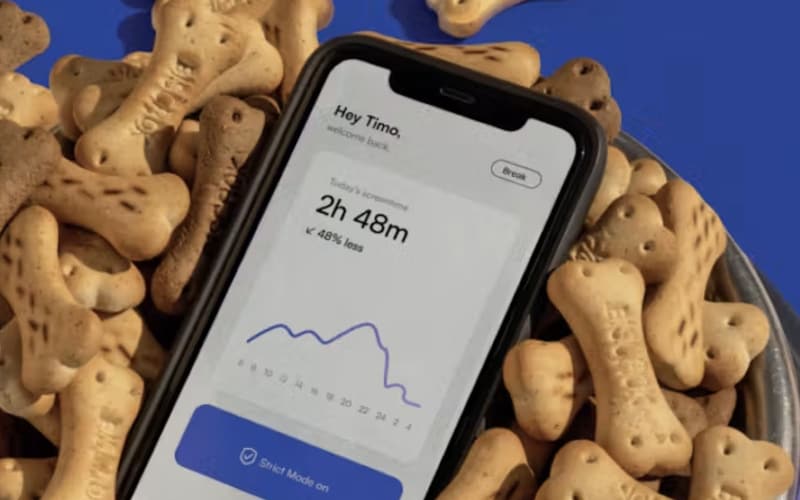
Modern social media platforms are designed to encourage rapid, habitual engagement, often leading to unconscious and excessive screen time -- Pavlov is a mindful screen time management app that aims to counter these patterns by introducing subtle, dynamic waiting animations before app usage.
The app keeps the user in control while gently interrupting impulsive behavior through intentional delays. These pauses are designed to create awareness in the moment of action, encouraging more mindful decisions about whether to continue or disengage.
Pavlov is built for users who want to regain control of their attention without completely blocking access to their devices. By introducing friction at key moments, it helps transform how users relate to their screen time and build healthier digital habits.
Image Credit: Pavlov
The app keeps the user in control while gently interrupting impulsive behavior through intentional delays. These pauses are designed to create awareness in the moment of action, encouraging more mindful decisions about whether to continue or disengage.
Pavlov is built for users who want to regain control of their attention without completely blocking access to their devices. By introducing friction at key moments, it helps transform how users relate to their screen time and build healthier digital habits.
Image Credit: Pavlov
Consumer Demand Drives Foldable and Multi-Screen Devices
Consumers are adopting foldable and multi-screen devices as they seek more versatile and pocketable screen options for enhanced mobility and functionality.
Question 1
Which of the following types of devices have you personally used in the past 12 months?
Select up to 8
Question 2
What are the main reasons you use or chose this type of device?
Select up to 3
Question 3
How likely would you be to choose a foldable or multi-screen device the next time you purchase a smartphone, tablet, or laptop?
Trend Themes
-
Intentional Digital Friction — Subtle delays and pause-based interfaces create new value in reducing impulsive app usage without relying on restrictive blocking tools.
-
Mindful Attention Design — Consumer wellness platforms are shifting toward in-the-moment awareness features that help users recognize automatic digital behaviors before they escalate.
-
Non-blocking Screen Control — Flexible screen time tools reveal opportunities for autonomy-centered habit management that preserves access while encouraging healthier technology relationships.
Industry Implications
-
Digital Wellness — Behavioral design features are expanding the category beyond tracking and limits into adaptive interventions that reshape daily device engagement.
-
Mobile Apps — App ecosystems gain differentiation from interface layers that moderate usage patterns through contextual prompts, delays, and reflective moments.
-
Mental Health Technology — Preventive attention-management products connect everyday phone behavior with emotional well-being, opening space for lightweight tools between therapy and productivity software.
5
Score
Popularity
Activity
Freshness