



Memory Ball Lets Users Create, Study, And Share Flashcards For Free
References: memoryball.online
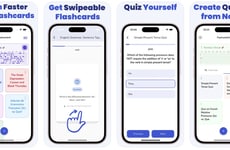
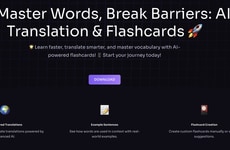
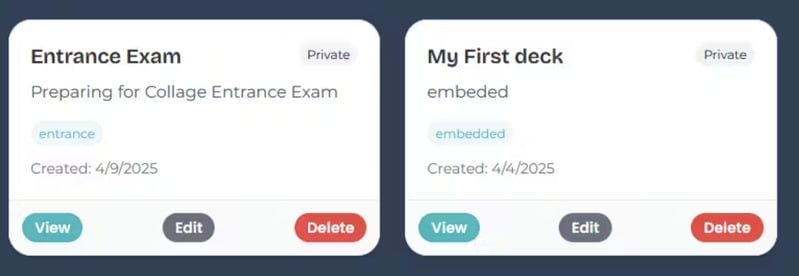
Memory Ball is a web-based learning platform that enables users to create, study, and share digital flashcards. The tool supports a variety of subjects and use cases, including academic study, professional training, and lifelong learning, allowing individuals to organize information into question-and-answer formats for efficient memorization.
Memory Ball incorporates a smart flashcard system designed to optimize review schedules and reinforce retention, though it does not provide in-depth analytics or adaptive learning beyond the flashcard structure. The platform is accessible entirely online and free to use, making it suitable for students and professionals who need a lightweight, flexible study tool without the constraints of paid software. By centralizing creation, practice, and sharing, Memory Ball facilitates collaborative learning and supports consistent study habits across topics.
Image Credit: Memory Ball
Memory Ball incorporates a smart flashcard system designed to optimize review schedules and reinforce retention, though it does not provide in-depth analytics or adaptive learning beyond the flashcard structure. The platform is accessible entirely online and free to use, making it suitable for students and professionals who need a lightweight, flexible study tool without the constraints of paid software. By centralizing creation, practice, and sharing, Memory Ball facilitates collaborative learning and supports consistent study habits across topics.
Image Credit: Memory Ball
Consumer Demand Drives Foldable and Multi-Screen Devices
Consumers are adopting foldable and multi-screen devices as they seek more versatile and pocketable screen options for enhanced mobility and functionality.
Question 1
Which of the following types of devices have you personally used in the past 12 months?
Select up to 8
Question 2
What are the main reasons you use or chose this type of device?
Select up to 3
Question 3
How likely would you be to choose a foldable or multi-screen device the next time you purchase a smartphone, tablet, or laptop?
Trend Themes
-
Smart Spaced-repetition Integration — Rising use of algorithm-driven review scheduling within lightweight flashcard apps creates potential for more efficient long-term retention models that challenge traditional study tools.
-
Collaborative Peer-powered Learning — Platforms that centralize creation and sharing of user-generated flashcard sets enable community-curated knowledge bases that could disrupt single-author course content.
-
Freemium Web-based Microlearning — Wider adoption of free, browser-accessible microlearning tools emphasizes low-friction study experiences that threaten paid, heavyweight LMS offerings.
Industry Implications
-
Education Technology — The edtech sector could be reshaped by simple, shareable flashcard ecosystems that shift demand away from full-featured, institution-bound platforms.
-
Corporate Training — Workplace learning programs may pivot toward bite-sized, retention-focused flashcard modules that undercut multi-day instructor-led training formats.
-
Language Learning Services — Language platforms stand to be transformed by free, adaptive flashcard libraries that personalize vocabulary acquisition outside subscription models.
4.3
Score
Popularity
Activity
Freshness