



Mediwhale Introduced the Dr Noon CVD Software for Retina Analysis
Edited by Kanesa David — April 13, 2026 — Tech
This article was written with the assistance of AI.
References: mediwhale & mobihealthnews
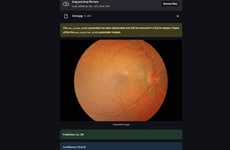
Mediwhale, a South Korean medical AI company, introduced Dr Noon CVD, software that analyzes retinal images to predict cardiovascular disease risk and flag eye conditions, featuring a retina-to-risk model designed for clinical screening. The firm said Dr Noon CVD has been deployed in more than 170 hospitals, including Yonsei University Health System, and reported accuracy comparable to conventional cardiac CT in its internal data.
Mediwhale raised 20 billion won in a Series C round led by Premier Partners to fund U.S. De Novo regulatory submissions, clinical trials and proof-of-concept projects with primary care providers. The company also plans a technology listing on KOSDAQ in the first half of 2027.
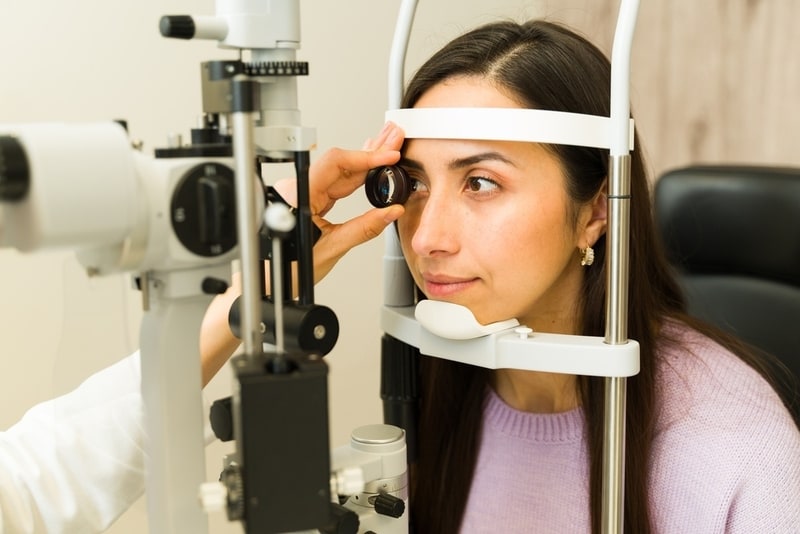
For clinicians and health systems, retina-based risk tools like Dr Noon CVD offer a noninvasive, scalable way to surface cardiometabolic risk during routine eye imaging, aligning with trends toward opportunistic screening and AI triage.
Image Credit: antoniodiaz / Shutterstock
Mediwhale raised 20 billion won in a Series C round led by Premier Partners to fund U.S. De Novo regulatory submissions, clinical trials and proof-of-concept projects with primary care providers. The company also plans a technology listing on KOSDAQ in the first half of 2027.
For clinicians and health systems, retina-based risk tools like Dr Noon CVD offer a noninvasive, scalable way to surface cardiometabolic risk during routine eye imaging, aligning with trends toward opportunistic screening and AI triage.
Image Credit: antoniodiaz / Shutterstock
Modular Growth Gear
Parents are adopting modular youth gear that is adjustable, upgradeable, and serviceable to accommodate fast-growing athletes and reduce the need for full replacement cycles.
Question 1
Do you currently have any children under 18 who participate in organized or recreational sports?
Question 2
Have you ever purchased sports gear designed to adjust as your child grows?
Question 3
When your child outgrows a piece of sports gear, how much of a problem is having to replace it?
Question 4
What bothers you MOST about replacing outgrown gear?
Question 5
How likely would you be to choose sports gear that adjusts or upgrades as your child grows the next time you buy one?
Trend Themes
-
Retina-to-risk Models — Combining retinal imaging with predictive algorithms creates a scalable screening modality that can detect cardiometabolic risk with accuracy comparable to cardiac CT.
-
Opportunistic Screening During Eye Exams — Embedding cardiovascular risk assessment into routine ophthalmic visits enables high-volume population health surveillance without requiring additional patient appointments.
-
AI Triage for Multimorbidity — Automated prioritization of retinal findings can reshape referral workflows by highlighting patients with concurrent ocular and cardiac risk profiles.
Industry Implications
-
Primary Care — Noninvasive retinal risk readouts provide primary care settings with scalable stratification data for downstream diagnostics and chronic disease management.
-
Medical Imaging Software — Applications that translate fundus photographs into cardiovascular risk scores form a new diagnostic software category bridging ophthalmology and cardiology.
-
Regulatory and Clinical Trials Services — Specialized regulatory strategy and multicenter validation services become essential as retina-based diagnostics pursue De Novo approvals and broad clinical adoption.
2.9
Score
Popularity
Activity
Freshness