




José Millán and His Team are Developing a New Wheelchair
References: dreamstime & designtaxi
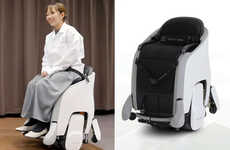
José Millán from the University of Texas has been working alongside his team in developing a new wheelchair that is controlled by thoughts through training. This aids paralyzed patients in moving around on their own. The team has taught three people with severe or full paralysis in their limbs to navigate a wheelchair using a brain-computer interface.
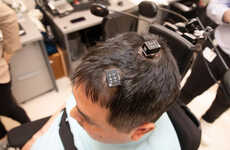
It helps with avoiding any physical obstacles and other factors including fixating on lights in the room as well. The electric wheelchair is specifically built to move forward and as the user envisions movement in both legs, it turns left and if users imagine moving their arms, it turns right. The subjects wore skullcaps that were programmed with 31 electrodes in order to send signals.
Image Credit: Besalialuka, Dreamstime.com
It helps with avoiding any physical obstacles and other factors including fixating on lights in the room as well. The electric wheelchair is specifically built to move forward and as the user envisions movement in both legs, it turns left and if users imagine moving their arms, it turns right. The subjects wore skullcaps that were programmed with 31 electrodes in order to send signals.
Image Credit: Besalialuka, Dreamstime.com
Consumer Demand Drives Foldable and Multi-Screen Devices
Consumers are adopting foldable and multi-screen devices as they seek more versatile and pocketable screen options for enhanced mobility and functionality.
Question 1
Which of the following types of devices have you personally used in the past 12 months?
Select up to 8
Question 2
What are the main reasons you use or chose this type of device?
Select up to 3
Question 3
How likely would you be to choose a foldable or multi-screen device the next time you purchase a smartphone, tablet, or laptop?
Trend Themes
-
Mind-controlled Wheelchairs — Disruptive innovation opportunities include the development of other mind-controlled assistive devices for differently-abled individuals.
-
Brain-computer Interfaces — Disruptive innovation opportunities include the development of brain-computer interface technology to enhance communication capabilities for those with severe disabilities.
-
Thought-controlled Technology — Disruptive innovation opportunities include the integration of thought-controlled technology in various industries such as gaming, virtual reality, and military applications.
Industry Implications
-
Assistive Technology — Disruptive innovation opportunities include the development of other assistive technologies for differently-abled individuals such as prosthetics and communication devices.
-
Healthcare — Disruptive innovation opportunities include the application of brain-computer interface technology to enhance patient care and treatment outcomes.
-
Technology — Disruptive innovation opportunities include the integration of mind-controlled technology in various industries such as gaming, virtual reality, and military applications.
0.6
Score
Popularity
Activity
Freshness