




Felicia L. Kenny Celebrates Biracial and Autistic Identity
Mursal Rahman — June 29, 2026 — Life-Stages
References: prnewswire
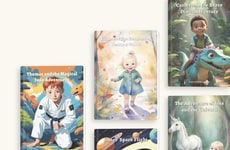
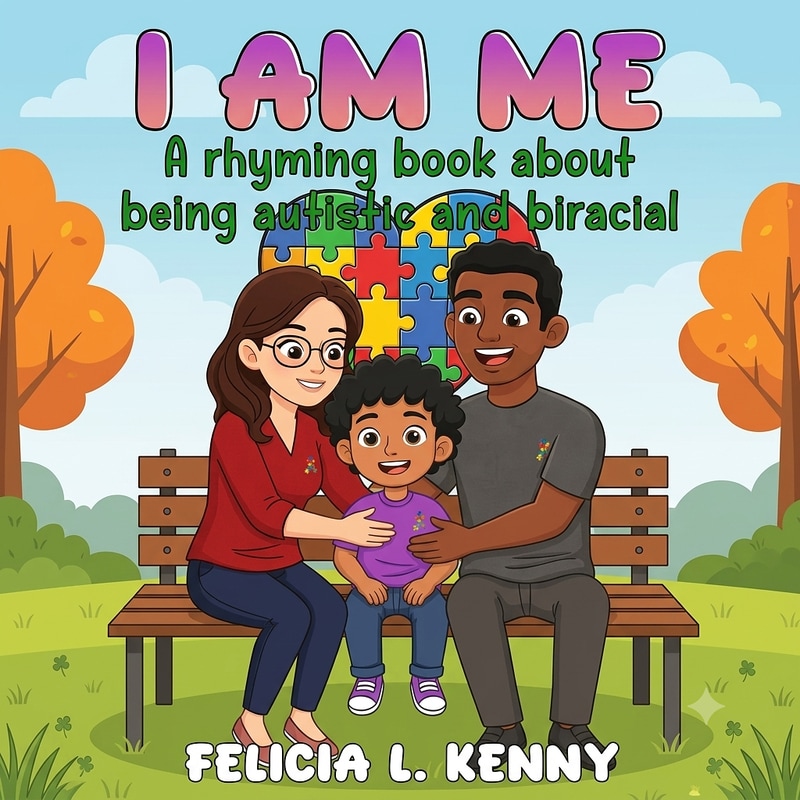
Intersectional children's books are expanding representation in children's literature by featuring characters with multiple, overlapping identities that reflect the diversity of modern families and communities. Felicia L. Kenny's I AM ME: A Rhyming Book About Being Autistic and Biracial follows this direction by introducing a protagonist whose story celebrates neurodiversity, multicultural identity, and self-acceptance through engaging rhymes and colorful illustrations.
For publishers, educators, and authors, stories that authentically represent diverse experiences can help reach broader audiences while addressing growing demand for inclusive educational resources. Books that encourage empathy and belonging also provide valuable tools for classrooms, libraries, and families seeking meaningful conversations about identity and acceptance. As parents increasingly look for literature that reflects children's lived experiences, representative storytelling can strengthen reader engagement and expand opportunities across educational and retail markets. This direction also supports a publishing landscape that values authenticity, diversity, and positive social development alongside engaging storytelling.
Image Credit: Felicia Kenny
For publishers, educators, and authors, stories that authentically represent diverse experiences can help reach broader audiences while addressing growing demand for inclusive educational resources. Books that encourage empathy and belonging also provide valuable tools for classrooms, libraries, and families seeking meaningful conversations about identity and acceptance. As parents increasingly look for literature that reflects children's lived experiences, representative storytelling can strengthen reader engagement and expand opportunities across educational and retail markets. This direction also supports a publishing landscape that values authenticity, diversity, and positive social development alongside engaging storytelling.
Image Credit: Felicia Kenny
Kids' books with more than one identity
Helps decide what kinds of children's book coverage to prioritize and what themes to feature in parent/educator recommendations.
1 / 3
When was the last time you bought a children's book?
2 / 3
If buying a kids' book, how much does representation matter to you?
3 / 3
Which kids' book theme would you be most likely to buy in the next few months?
Trend Themes
-
Intersectional Storytelling — Children's books centered on overlapping identities create new space for nuanced characters that reflect neurodiversity, race, culture, and family complexity in mainstream reading experiences.
-
Inclusive Classroom Resources — Educators gain richer tools for empathy-building and identity discussion as representative books become integrated into literacy programs, social-emotional learning, and library collections.
-
Authentic Identity Publishing — Market demand for lived-experience narratives is reshaping children's publishing toward creator-led stories that combine cultural specificity with broad emotional relevance.
Industry Implications
-
Children's Publishing — Publishers are seeing new growth potential in inclusive picture books that serve families seeking authentic representation alongside engaging language, illustration, and character development.
-
Educational Resources — Curriculum providers and school libraries benefit from diverse story formats that support belonging, classroom dialogue, and age-appropriate conversations about identity.
-
Book Retail — Retailers can connect with expanding parent and caregiver audiences through curated collections that highlight multicultural, neurodiverse, and socially meaningful children's literature.
5.7
Score
Popularity
Activity
Freshness