



Nissan Brings Its Electric-Drive Hybrid System To The Rogue
Edited by Ellen Smith — October 2, 2026 — Autos
This article was written with the assistance of AI.
References: carscoops
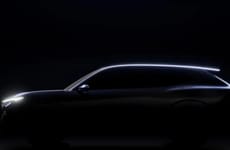
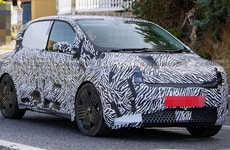
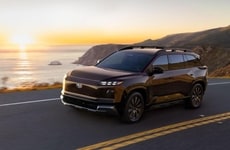
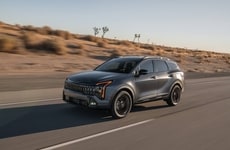
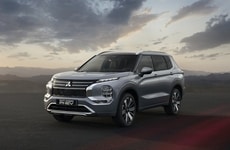
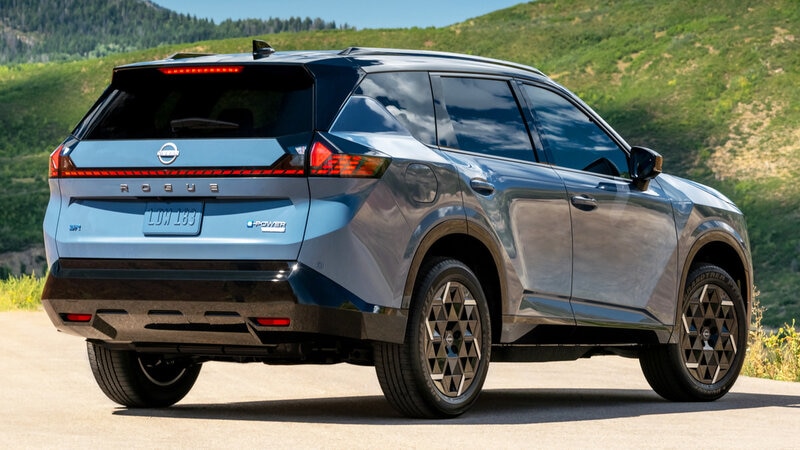
Nissan is bringing its e-Power hybrid setup to U.S. drivers with the Rogue Hybrid, giving shoppers an SUV that runs on electric motors without asking for a charging cable. The system uses a gasoline engine as an onboard generator rather than the direct source of wheel power, aiming for a more EV-like feel during everyday driving.
In the Rogue, that arrangement uses a turbocharged 1.5-liter three-cylinder and delivers 225 hp, enough to frame the model as more than a fuel-saving trim. Nissan also plans U.S. production in 2028, a move that points to wider availability instead of a short-run experiment.
The Rogue Hybrid gives Nissan another way to bridge the gap between conventional hybrids and fully electric vehicles. Its electric motor-driven setup offers some of the characteristics associated with EVs while retaining a petrol engine for energy generation, creating an alternative for drivers who want electric propulsion without relying on external charging.
Image Credit: Nissan
In the Rogue, that arrangement uses a turbocharged 1.5-liter three-cylinder and delivers 225 hp, enough to frame the model as more than a fuel-saving trim. Nissan also plans U.S. production in 2028, a move that points to wider availability instead of a short-run experiment.
The Rogue Hybrid gives Nissan another way to bridge the gap between conventional hybrids and fully electric vehicles. Its electric motor-driven setup offers some of the characteristics associated with EVs while retaining a petrol engine for energy generation, creating an alternative for drivers who want electric propulsion without relying on external charging.
Image Credit: Nissan
Trend Themes
-
Charge-free Electric Driving — Hybrid systems that power wheels through electric motors while generating energy onboard create a transitional path for drivers who want EV-like performance without charging infrastructure dependence.
-
Generator-based Hybrid Powertrains — Gasoline engines used primarily as onboard generators reshape vehicle architecture by separating energy production from propulsion in mass-market models.
-
Mainstream Electrified Suvs — High-volume SUV segments are becoming testbeds for electrified drivetrains that balance familiar ownership habits with more responsive electric-drive experiences.
Industry Implications
-
Automotive Manufacturing — Domestic production plans for advanced hybrid SUVs signal room for scalable platforms that support electrification without requiring fully battery-electric assembly strategies.
-
Mobility Energy Systems — Self-charging propulsion models expand the market for energy solutions that reduce reliance on public chargers while still shifting daily driving toward electric motion.
-
Consumer Transportation — Family vehicle buyers gain new alternatives as automakers position electrified SUVs around convenience, power, and reduced charging anxiety rather than only fuel savings.
8.5
Score
Popularity
Activity
Freshness