







RefluxStop Treats GERD Without Wrapping the Esophagus
Edited by Mursal Rahman — September 29, 2026 — Lifestyle
This article was written with the assistance of AI.
References: prnewswire
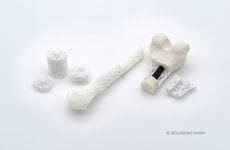
RefluxStop is bringing a non-encircling approach to surgical GERD treatment as Implantica begins its U.S. rollout following FDA Premarket Approval. Unlike traditional anti-reflux procedures that wrap around the esophagus, the implant is designed to restore and maintain the body’s natural anatomy while preventing reflux. According to Implantica, this approach is intended to minimize common post-surgical issues associated with some existing procedures, including swallowing difficulties and an inability to belch or vomit.
The FDA approval opens a significant new commercial market for Implantica, with the company citing approximately 78 million Americans affected by GERD. Its U.S. strategy now centers on partnering with surgeons, gastroenterologists, and medical institutions to introduce the procedure into clinical practice. Building physician familiarity will be particularly important for adoption because RefluxStop requires surgical implementation. Existing use across more than 60 European centers may also provide Implantica with clinical experience to support its U.S. expansion.
Image Credit: Implantica
The FDA approval opens a significant new commercial market for Implantica, with the company citing approximately 78 million Americans affected by GERD. Its U.S. strategy now centers on partnering with surgeons, gastroenterologists, and medical institutions to introduce the procedure into clinical practice. Building physician familiarity will be particularly important for adoption because RefluxStop requires surgical implementation. Existing use across more than 60 European centers may also provide Implantica with clinical experience to support its U.S. expansion.
Image Credit: Implantica
Consumer Demand Drives Foldable and Multi-Screen Devices
Consumers are adopting foldable and multi-screen devices as they seek more versatile and pocketable screen options for enhanced mobility and functionality.
Question 1
Which of the following types of devices have you personally used in the past 12 months?
Select up to 8
Question 2
What are the main reasons you use or chose this type of device?
Select up to 3
Question 3
How likely would you be to choose a foldable or multi-screen device the next time you purchase a smartphone, tablet, or laptop?
Trend Themes
-
Anatomy-preserving Implants — Medical device innovation is shifting toward implants that support natural bodily function rather than altering anatomy, creating openings for therapies with fewer lifestyle-limiting side effects.
-
GERD Procedure Modernization — Chronic reflux treatment is being reshaped by alternatives to traditional fundoplication, with differentiated surgical options appealing to patients seeking durable relief without common post-operative complications.
-
Specialist-led Device Adoption — Commercial success for surgical implants increasingly depends on coordinated education across surgeons, gastroenterologists, and clinical institutions as new procedures move from approval to routine practice.
Industry Implications
-
Medical Devices — Implantable technologies for high-prevalence chronic conditions offer manufacturers opportunities to compete through improved tolerability, anatomical compatibility, and differentiated clinical outcomes.
-
Gastroenterology — The expansion of procedural GERD care gives gastroenterology practices a broader role in identifying candidates for advanced interventions beyond medication management.
-
Surgical Care — Hospitals and surgical centers may see new service-line potential from minimally disruptive anti-reflux procedures that address large patient populations while reducing burdensome recovery concerns.
7.3
Score
Popularity
Activity
Freshness