




Huawei Mate 90 Runs Context-Aware AI Across Calls, Photos and Apps
Edited by Mursal Rahman — October 2, 2026 — Tech
This article was written with the assistance of AI.
References: prnewswire
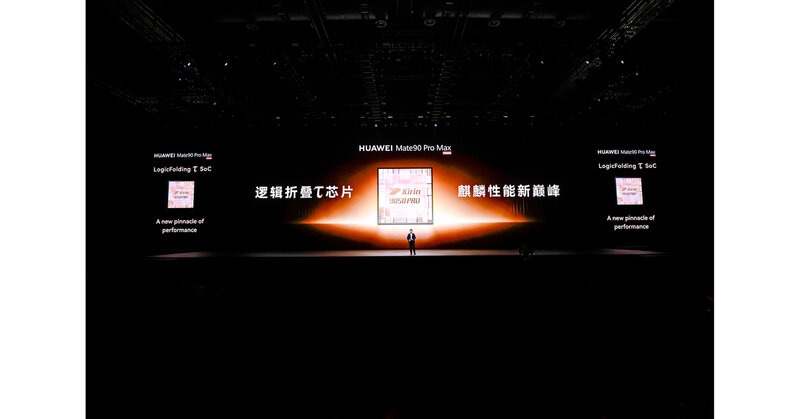
Huawei is integrating advanced on-device AI throughout the Mate 90 Series, with Pro Max and higher models using a 30B MoE full-modal foundation model. HarmonyOS AI powers features including Celia Memories, which organizes content from more than 50 apps, while the Celia navigation bar suggests context-aware actions based on on-screen activity. Celia Call 2.0 can answer calls, generate summaries, and provide real-time translation, while the Gallery Assistant supports conversational photo editing and instant video generation.
The integrated approach allows Huawei to make AI a continuous part of everyday smartphone use rather than a standalone feature. For consumers, more processing directly within the device can create faster, more integrated assistance across common tasks. For Huawei, combining proprietary Kirin processors, HarmonyOS, imaging, and AI strengthens ecosystem differentiation while encouraging users and developers to remain within its expanding hardware and software platform.
Image Credit: Huawei
The integrated approach allows Huawei to make AI a continuous part of everyday smartphone use rather than a standalone feature. For consumers, more processing directly within the device can create faster, more integrated assistance across common tasks. For Huawei, combining proprietary Kirin processors, HarmonyOS, imaging, and AI strengthens ecosystem differentiation while encouraging users and developers to remain within its expanding hardware and software platform.
Image Credit: Huawei
Consumer Demand Drives Foldable and Multi-Screen Devices
Consumers are adopting foldable and multi-screen devices as they seek more versatile and pocketable screen options for enhanced mobility and functionality.
Question 1
Which of the following types of devices have you personally used in the past 12 months?
Select up to 8
Question 2
What are the main reasons you use or chose this type of device?
Select up to 3
Question 3
How likely would you be to choose a foldable or multi-screen device the next time you purchase a smartphone, tablet, or laptop?
Trend Themes
-
On-device AI Assistants — Smartphones with embedded foundation models create new space for private, low-latency services that anticipate user needs across calls, media, and productivity tasks.
-
Context-aware Interfaces — Operating systems that interpret on-screen activity enable more adaptive app navigation, personalized recommendations, and seamless task completion across digital workflows.
-
Conversational Media Editing — AI-powered galleries and camera tools are reshaping content creation by turning photo editing, video generation, and memory organization into natural-language experiences.
Industry Implications
-
Consumer Electronics — Device makers can differentiate through tightly integrated chips, operating systems, and AI models that transform smartphones into always-available intelligent companions.
-
Telecommunications — Real-time call translation, automated answering, and conversation summaries introduce new value layers for mobile carriers and communication service providers.
-
Mobile Software — Developers face emerging opportunities around AI-native apps that connect with system-level assistants and operate within increasingly intelligent mobile ecosystems.
8.5
Score
Popularity
Activity
Freshness