

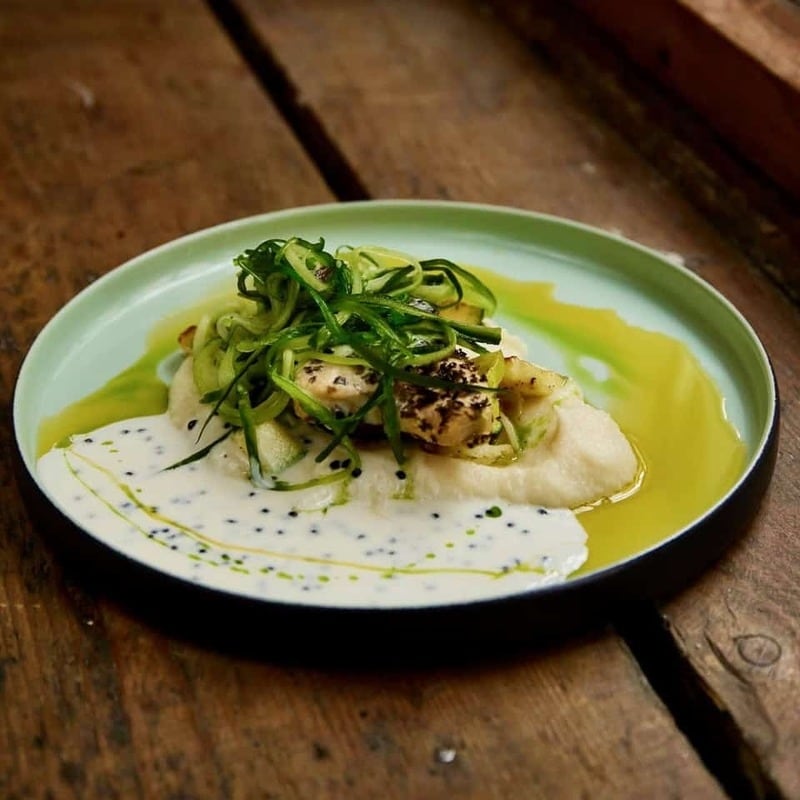



The Mati Fishless Fillets are Made with mycoprotein
Michael Hemsworth — December 16, 2025 — Lifestyle
References: matifoods.eu & vegconomist
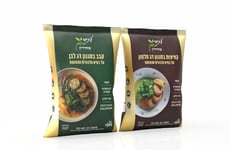
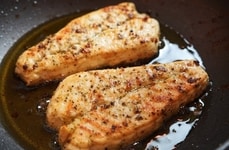
The Mati Fishless Fillets have been announced by Estonia-based food technology brand Mati Foods as a sustainable seafood product that doesn't contain any real fish. The product is made with a mycoprotein-based recipe and is positioned as a whole-cut alternative to conventional fish fillets to deliver taste and quality with a sustainability edge. Te product is high in protein, ready to eat in five to eight-minutes, completely plant-based and comes in packs with two pieces.
Mati Foods CEO Triin Remmelgas spoke on the Mati Fishless Fillets saying, "We took time to ensure that the Fishless Fillets meet our highest standards for a satisfying eating experience. After a year of development, including several strategic pauses and pivots to perfect the formulation, our team is finally satisfied with the Fishless Fillets’ authentic flavour and texture profile.”
Image Credit: Mati Foods
Mati Foods CEO Triin Remmelgas spoke on the Mati Fishless Fillets saying, "We took time to ensure that the Fishless Fillets meet our highest standards for a satisfying eating experience. After a year of development, including several strategic pauses and pivots to perfect the formulation, our team is finally satisfied with the Fishless Fillets’ authentic flavour and texture profile.”
Image Credit: Mati Foods
Watermelon Ice Cream Hack
Consumers are adopting the viral TikTok watermelon ice cream hack because it offers a simple way to make refreshing, dairy-free ice cream at home.
Question 1
Which best describes your experience with frozen watermelon "ice cream"?
Question 2
Have you ever made watermelon “ice cream” at home, by blending frozen watermelon into a soft, scoopable treat?
Question 3
How likely are you to make watermelon “ice cream” again?
Question 4
What did you like about making watermelon “ice cream”?
Select all that apply
Trend Themes
-
Mycoprotein Innovation — Leveraging fungi-based mycoprotein as a primary ingredient presents potential for creating diverse plant-based alternatives.
-
Sustainable Seafood Alternatives — The rise in plant-based seafood alternatives addresses environmental concerns and promotes ocean conservation.
-
Quick-prep Plant-based Meals — Consumers are increasingly drawn to plant-based products that are quick and easy to prepare, aligning with busy lifestyles.
Industry Implications
-
Food Technology — Innovations in food technology, such as those by Mati Foods, are transforming traditional food categories with sustainable practices.
-
Alternative Proteins — The alternative protein market is expanding rapidly as it meets the growing demand for environmentally friendly protein sources.
-
Packaged Plant-based Foods — Packaged plant-based meals are capturing consumer interest due to their convenience and alignment with eco-conscious eating habits.
6.8
Score
Popularity
Activity
Freshness