



Lidl's Way to Go! Tea Pays Kenyan Growers More
Edited by Amy Duong — October 6, 2026 — Business
This article was written with the assistance of AI.
References: teaandcoffee.net
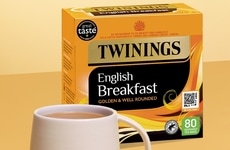
Lidl GB is bringing a fairer-pay option to the tea aisle with Way To Go! Tea, giving everyday drinkers a simple way to support better returns for Kenyan growers. The single-origin tea adds payment per kilogram linked to a living income reference price, a benchmark for what farmers need to earn.
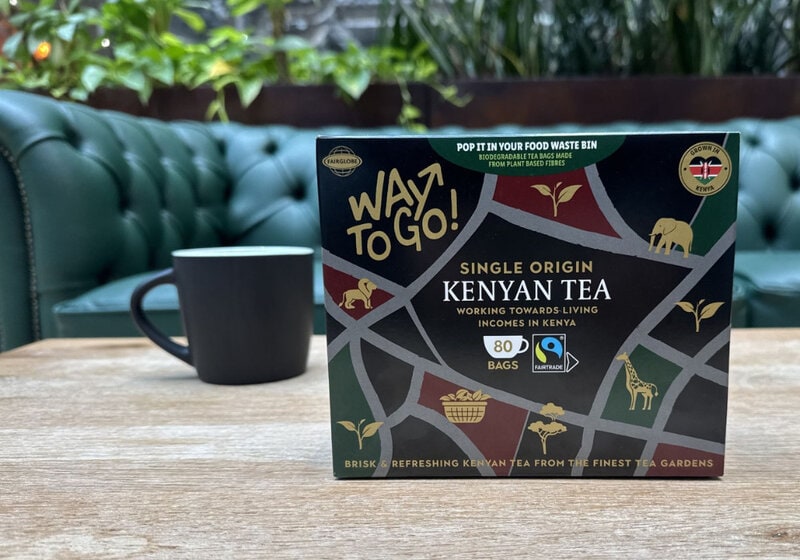
Way To Go! Single Origin Kenyan Tea comes in boxes of 80 priced at £1.99. That pack combines the usual brew-at-home format with a payment model that goes past baseline Fairtrade terms. The tea bags also use plant-based fibres that can be composted after use.
For retailers, this puts more pressure on private-label tea to compete on pay transparency, not just value pricing. A staple box that links each purchase to farmer income makes standard certification look like the starting point rather than the finish line.
Image Credit: Lidl GB
Way To Go! Single Origin Kenyan Tea comes in boxes of 80 priced at £1.99. That pack combines the usual brew-at-home format with a payment model that goes past baseline Fairtrade terms. The tea bags also use plant-based fibres that can be composted after use.
For retailers, this puts more pressure on private-label tea to compete on pay transparency, not just value pricing. A staple box that links each purchase to farmer income makes standard certification look like the starting point rather than the finish line.
Image Credit: Lidl GB
Watermelon Ice Cream Hack
Consumers are adopting the viral TikTok watermelon ice cream hack because it offers a simple way to make refreshing, dairy-free ice cream at home.
Question 1
Which best describes your experience with frozen watermelon "ice cream"?
Question 2
Have you ever made watermelon “ice cream” at home, by blending frozen watermelon into a soft, scoopable treat?
Question 3
How likely are you to make watermelon “ice cream” again?
Question 4
What did you like about making watermelon “ice cream”?
Select all that apply
Trend Themes
-
Living-income Pricing — Transparent payment models tied to farmer livelihood benchmarks create room for everyday grocery staples to compete on measurable social impact rather than certification alone.
-
Ethical Private Label — Retail-owned brands can disrupt legacy packaged goods by combining low prices with traceable sourcing, fairer producer returns, and mainstream shelf visibility.
-
Compostable Tea Packaging — Plant-based tea bags turn a routine household product into a sustainability touchpoint, expanding differentiation beyond ingredient origin into end-of-life waste reduction.
Industry Implications
-
Grocery Retail — Supermarkets are positioned to reshape commodity categories by embedding income transparency and ethical sourcing into affordable private-label products.
-
Tea and Beverages — Beverage brands face growing opportunity in single-origin, impact-linked formats that make grower compensation part of the product value proposition.
-
Sustainable Packaging — Demand for compostable fibres in high-volume consumables supports innovation in materials that match convenience expectations while reducing conventional waste.
5.8
Score
Popularity
Activity
Freshness