



Terranean Receives Support to Maintain Non-GMO Verification
Mursal Rahman — July 10, 2026 — Lifestyle
References: prnewswire
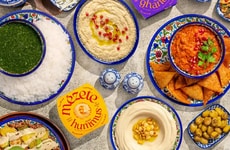
Equity-backed food certifications are helping purpose-driven food brands expand market access by making trusted third-party verification more attainable. Terranean, a women-owned Lebanese American snack company, renewed its Non-GMO Project verification through support from the organization's Equitable Transfer Program. The funding helps preserve transparent ingredient sourcing while reinforcing the company's commitment to authentic Levantine flavors, community impact, and sustainable production practices, including upcycling excess pita bread to reduce food waste.
Programs that lower the cost of certification can help emerging brands compete more effectively in retail environments where verified claims increasingly influence purchasing decisions. For businesses, expanding access to recognized certifications encourages greater diversity among consumer packaged goods companies while strengthening transparency across the food industry. As shoppers continue seeking products that align with both ethical values and ingredient integrity, initiatives that support underrepresented founders may become an important driver of product differentiation, consumer trust, and long-term brand growth.
Image Credit: Non-GMO Project
Programs that lower the cost of certification can help emerging brands compete more effectively in retail environments where verified claims increasingly influence purchasing decisions. For businesses, expanding access to recognized certifications encourages greater diversity among consumer packaged goods companies while strengthening transparency across the food industry. As shoppers continue seeking products that align with both ethical values and ingredient integrity, initiatives that support underrepresented founders may become an important driver of product differentiation, consumer trust, and long-term brand growth.
Image Credit: Non-GMO Project
How food certifications shape snack buying
Informs which labels drive snack purchases, how often readers check them, and what certification support stories to cover.
1 / 3
When was the last time you checked a food label before buying a snack?
2 / 3
How much does a Non-GMO verification affect your snack choice?
3 / 3
If two snacks cost the same, what label would most sway your choice?
Trend Themes
-
Equity-backed Certifications — Financially supported verification models create new pathways for underrepresented food brands to access trusted retail credentials and compete on transparency.
-
Inclusive CPG Growth — Lower-cost certification access expands the presence of diverse founders in packaged goods while strengthening differentiation around values-led sourcing and production.
-
Upcycled Snack Innovation — Food waste reduction through ingredients like excess pita bread signals market potential for sustainable snacks rooted in cultural authenticity and responsible manufacturing.
Industry Implications
-
Food Certification — Third-party verification providers are positioned to broaden market relevance by pairing trust-building labels with affordability programs for emerging brands.
-
Consumer Packaged Goods — Retail-ready ethical claims increasingly shape competition as smaller purpose-driven brands use certifications to validate quality, sourcing, and social impact.
-
Sustainable Food Production — Circular ingredient practices and transparent supply chains are becoming key differentiators for food manufacturers responding to consumer demand for integrity and environmental responsibility.
4.2
Score
Popularity
Activity
Freshness