






Dista Deliver Uses AI For End-To-End Delivery Scheduling & Tracking
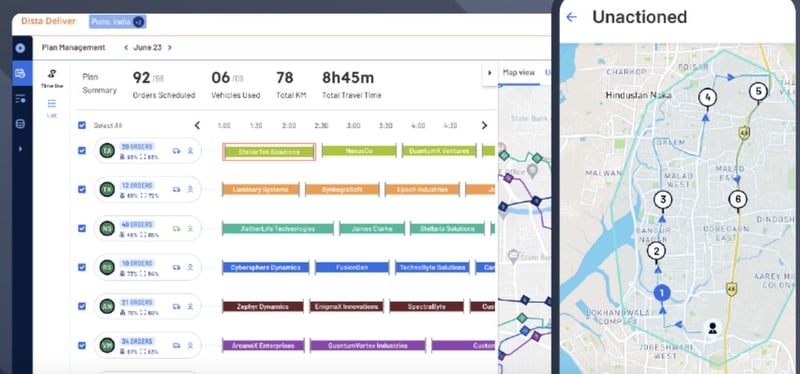
Dista Deliver is an AI-powered delivery management platform designed to optimize logistics operations across the full delivery lifecycle. It supports orchestration of first-mile, mid-mile, and last-mile processes through automated scheduling, routing, and dispatching. By leveraging AI and machine learning, the system aims to improve efficiency in assigning deliveries, reducing delays, and optimizing resource utilization.
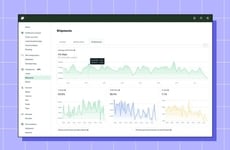
The platform also provides tracking capabilities, enabling real-time visibility into delivery status and performance metrics. Businesses can use it to manage service level agreements (SLAs) and improve overall customer satisfaction by enhancing reliability and predictability in deliveries. Dista Deliver is positioned for organizations that rely on coordinated logistics operations, such as retail, e-commerce, and supply chain services. It reflects a broader trend in logistics technology toward automation, data-driven decision-making, and end-to-end visibility in delivery management systems.
Image Credit: Dista Deliver
The platform also provides tracking capabilities, enabling real-time visibility into delivery status and performance metrics. Businesses can use it to manage service level agreements (SLAs) and improve overall customer satisfaction by enhancing reliability and predictability in deliveries. Dista Deliver is positioned for organizations that rely on coordinated logistics operations, such as retail, e-commerce, and supply chain services. It reflects a broader trend in logistics technology toward automation, data-driven decision-making, and end-to-end visibility in delivery management systems.
Image Credit: Dista Deliver
Consumer Demand Drives Foldable and Multi-Screen Devices
Consumers are adopting foldable and multi-screen devices as they seek more versatile and pocketable screen options for enhanced mobility and functionality.
Question 1
Which of the following types of devices have you personally used in the past 12 months?
Select up to 8
Question 2
What are the main reasons you use or chose this type of device?
Select up to 3
Question 3
How likely would you be to choose a foldable or multi-screen device the next time you purchase a smartphone, tablet, or laptop?
Trend Themes
-
AI-driven Route Optimization — Significant reductions in transit times and fuel costs through predictive routing and dynamic driver assignment based on real-time conditions.
-
End-to-end Delivery Visibility — Real-time telemetry and unified tracking consolidate data streams to improve ETA accuracy, SLA compliance, and downstream exception management.
-
Autonomous Dispatching Platforms — Integration of autonomous vehicles and robotic couriers with intelligent dispatching could shift labor models and asset utilization in dense delivery networks.
Industry Implications
-
E-commerce Retail — High-volume order flows benefit from automated slotting and micro-fulfillment coordination that compress delivery windows and lower return rates.
-
Third-party Logistics Providers — Aggregated client data and AI orchestration create potential for capacity-to-demand matching that optimizes margins across diverse customer portfolios.
-
Urban Last-mile Services — Dense delivery environments favor shared micro-depots and multimodal routing strategies that reduce urban congestion and per-delivery costs.
5.4
Score
Popularity
Activity
Freshness