






Google Has Unveiled Demand Gen That Absorbs Display Ads
Edited by Adam Harrie — June 5, 2026 — Marketing
This article was written with the assistance of AI.
References: blog.google & artificialintelligence-news
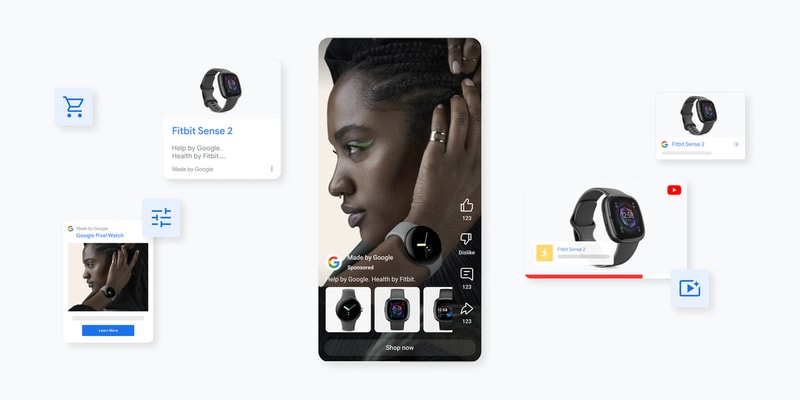
Google folded its long-running Google Display Network into its AI-powered Demand Gen platform, creating a unified system for visual advertising across YouTube, Discover and Gmail. The platform uses machine learning to assemble and test combinations of images, video clips and headlines supplied by advertisers, automatically determining formats, placements and audiences based on campaign objectives.
Demand Gen serves formats including in-stream video ads, YouTube Shorts and interactive Discover placements, shifting advertisers away from manual site selection and audience targeting. The platform relies on a continuous supply of creative assets and uses predictive models to optimize delivery and performance across Google's visual properties.
For marketers, the transition places greater emphasis on business outcomes such as customer acquisition and return on ad spend rather than traditional metrics like click-through rate and cost per click. The move reflects a broader shift toward AI-driven advertising platforms that automate targeting, creative deployment and campaign optimization across digital channels.
Image Credit: Google
Consumer Demand Drives Foldable and Multi-Screen Devices
Consumers are adopting foldable and multi-screen devices as they seek more versatile and pocketable screen options for enhanced mobility and functionality.
Question 1
Which of the following types of devices have you personally used in the past 12 months?
Select up to 8
Question 2
What are the main reasons you use or chose this type of device?
Select up to 3
Question 3
How likely would you be to choose a foldable or multi-screen device the next time you purchase a smartphone, tablet, or laptop?
Trend Themes
-
Autonomous Ad Optimization — Machine learning systems are reshaping media buying by shifting campaign decisions from manual targeting to automated creative, placement and audience selection tied to performance outcomes.
-
Generative Creative Testing — Continuous asset assembly across video, image and headline formats creates new potential for scalable experimentation that adapts brand messaging to channel behavior in real time.
-
Outcome-based Media Buying — Advertiser focus is moving beyond clicks toward acquisition, revenue and return metrics, opening space for platforms that connect automated delivery directly to business results.
Industry Implications
-
Digital Advertising — AI-driven campaign infrastructure is transforming how advertisers plan, execute and measure visual media across owned ecosystems and automated inventory networks.
-
Marketing Technology — Unified demand generation platforms are expanding the role of martech from workflow management into predictive orchestration of creative assets, audiences and conversion paths.
-
Video Media — Short-form, in-stream and interactive video placements are becoming core surfaces for algorithmic ad delivery, creating new monetization models across entertainment and discovery environments.
5.8
Score
Popularity
Activity
Freshness