






DeepMind's SL2T brings ASL Transcription to Pixel 11
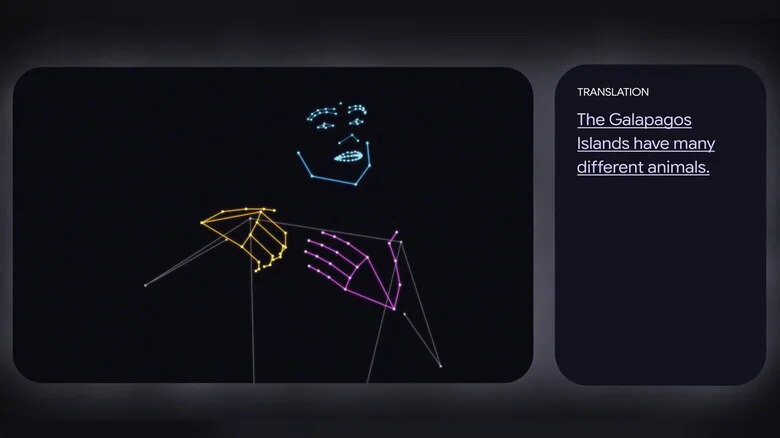
DeepMind has introduced its SL2T sign-language-to-text model with the Pixel 11, bringing American Sign Language (ASL) transcription to Gboard and Live Transcribe. The AI-powered feature allows deaf and hard-of-hearing users to sign naturally instead of typing when sending messages, searching the web, or interacting with Gemini. Rather than processing raw video, an on-device model converts hand movements into geometric landmarks before securely sending the data for translation. Google says this approach improves privacy while allowing the system to translate directly into English text without relying on traditional sign-language glosses.
SL2T was trained on more than 100,000 hours of multilingual sign-language data, with roughly a quarter representing ASL, making it the first supported language at launch. Google says the multilingual foundation will help expand support to additional sign languages over time, addressing the needs of millions of users worldwide. The feature marks a significant accessibility update for the Pixel ecosystem.
SL2T was trained on more than 100,000 hours of multilingual sign-language data, with roughly a quarter representing ASL, making it the first supported language at launch. Google says the multilingual foundation will help expand support to additional sign languages over time, addressing the needs of millions of users worldwide. The feature marks a significant accessibility update for the Pixel ecosystem.
Trend Themes
-
On-device Gesture Intelligence — Privacy-preserving landmark processing creates room for more inclusive interfaces that interpret movement without exposing raw video data.
-
Multilingual Sign Translation — Large-scale sign-language training datasets point to scalable communication tools that can bridge regional signing systems across global platforms.
-
Accessible Conversational AI — AI assistants with native sign input expand digital participation by making search, messaging, and productivity tools more natural for deaf and hard-of-hearing users.
Industry Implications
-
Consumer Electronics — Smartphone ecosystems gain differentiation through embedded accessibility features that turn everyday devices into adaptive communication hubs.
-
Artificial Intelligence — Gesture-to-text models represent a growing frontier for multimodal AI that understands human expression beyond speech and typing.
-
Digital Accessibility — Assistive technology providers are positioned to benefit from mainstream adoption of sign transcription across apps, services, and connected devices.
6.5
Score
Popularity
Activity
Freshness