




Hardi Uses Crash Data To Help New York Drivers Spot Risky Intersecti
Edited by Ellen Smith — September 25, 2026 — Tech
This article was written with the assistance of AI.
References: prweb
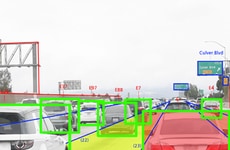
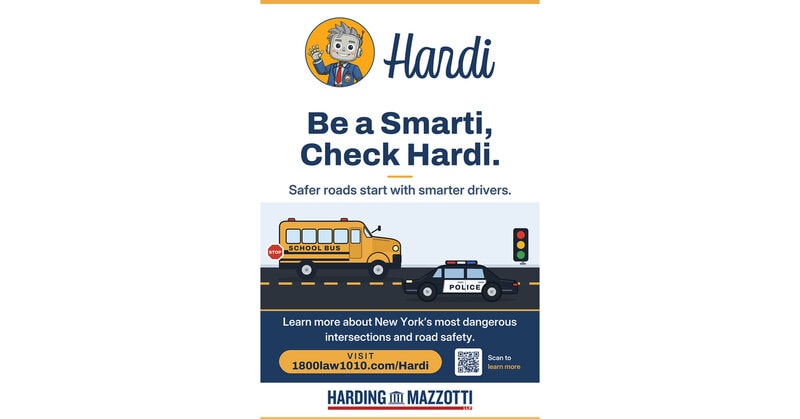
Harding Mazzotti's Hardi is a free AI helper, meaning a chatbot-style tool, that lets New York drivers look up crash-prone intersections before a commute or school run. The law firm built it from public crash records so people can search local trouble spots instead of trying to read raw data tables. It covers the state through regional studies that feed the assistant's answers.
Its analysis draws on 390,334 police-reported crashes from 2023, translating that history into plain-language answers for everyday driving decisions. The regional breakdowns keep the tool useful outside New York City too, with Albany's Central Avenue corridor surfacing as one local cluster of high-risk intersections.
For drivers, this means school-route caution can start before the car moves, with risky intersections becoming something searchable instead of a guess. It also pushes safety services toward chat-style public-data guidance that feels easier to use.
Image Credit: Harding Mazzotti, LLP
Its analysis draws on 390,334 police-reported crashes from 2023, translating that history into plain-language answers for everyday driving decisions. The regional breakdowns keep the tool useful outside New York City too, with Albany's Central Avenue corridor surfacing as one local cluster of high-risk intersections.
For drivers, this means school-route caution can start before the car moves, with risky intersections becoming something searchable instead of a guess. It also pushes safety services toward chat-style public-data guidance that feels easier to use.
Image Credit: Harding Mazzotti, LLP
Modular Growth Gear
Parents are adopting modular youth gear that is adjustable, upgradeable, and serviceable to accommodate fast-growing athletes and reduce the need for full replacement cycles.
Question 1
Do you currently have any children under 18 who participate in organized or recreational sports?
Question 2
Have you ever purchased sports gear designed to adjust as your child grows?
Question 3
When your child outgrows a piece of sports gear, how much of a problem is having to replace it?
Question 4
What bothers you MOST about replacing outgrown gear?
Question 5
How likely would you be to choose sports gear that adjusts or upgrades as your child grows the next time you buy one?
Trend Themes
-
Chat-based Safety Navigation — Conversational tools are turning complex road-risk datasets into accessible guidance for commuters, creating space for personalized mobility planning services built around everyday safety decisions.
-
Predictive Intersection Awareness — Crash-history analysis is making dangerous intersections visible before trips begin, opening opportunities for location-based alerts that blend public records with route-planning platforms.
-
Public Data Consumerization — Government crash records are being repackaged into simple consumer interfaces, signaling potential for data-rich civic services that reduce friction for nontechnical users.
Industry Implications
-
Legal Services — Law firms can extend client engagement through public-facing AI utilities that translate injury-related data into practical community safety information.
-
Automotive Technology — Vehicle and navigation providers have room to integrate localized crash-risk intelligence into connected driving experiences and driver-assistance ecosystems.
-
Civic Technology — Municipal data platforms are well positioned to support plain-language safety assistants that make regional infrastructure risks easier for residents to understand.
4.4
Score
Popularity
Activity
Freshness