






Bardy Enables Real-Time Collaboration On Websites, Media, And PDFs
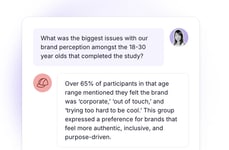
Bardy is a collaboration platform designed to streamline feedback on digital content, including websites, images, videos, and PDFs. The tool allows users to leave comments, drop voice notes, and make live HTML/CSS edits, enabling teams to address issues and iterate on designs efficiently.
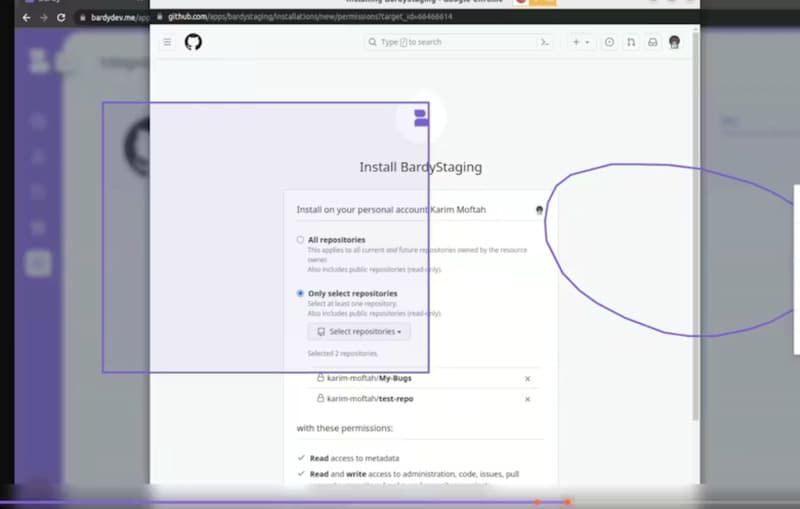
With support for rich text editing and media annotations, Bardy centralizes communication that might otherwise occur across emails, messaging apps, or scattered screenshots. The platform also integrates with popular productivity and development tools such as GitHub and Jira, providing continuity between design, feedback, and project management workflows. While it does not replace full development or design suites, Bardy functions as a focused solution for real-time review and collaboration, helping teams reduce miscommunication, improve turnaround times, and maintain a clear record of feedback across multiple content types.
Image Credit: Bardy
With support for rich text editing and media annotations, Bardy centralizes communication that might otherwise occur across emails, messaging apps, or scattered screenshots. The platform also integrates with popular productivity and development tools such as GitHub and Jira, providing continuity between design, feedback, and project management workflows. While it does not replace full development or design suites, Bardy functions as a focused solution for real-time review and collaboration, helping teams reduce miscommunication, improve turnaround times, and maintain a clear record of feedback across multiple content types.
Image Credit: Bardy
Consumer Demand Drives Foldable and Multi-Screen Devices
Consumers are adopting foldable and multi-screen devices as they seek more versatile and pocketable screen options for enhanced mobility and functionality.
Question 1
Which of the following types of devices have you personally used in the past 12 months?
Select up to 8
Question 2
What are the main reasons you use or chose this type of device?
Select up to 3
Question 3
How likely would you be to choose a foldable or multi-screen device the next time you purchase a smartphone, tablet, or laptop?
Trend Themes
-
Real-time In-browser Editing — Enables live HTML/CSS tweaks within the browser that can disrupt traditional handoffs between designers and developers by collapsing review and implementation into a single interactive session.
-
Multimodal Annotation — Combining text comments, voice notes, and media markup creates richer context for feedback and has the potential to replace scattered communication channels with a single persistent commentary layer.
-
Integration-driven Feedback Workflows — Tight linking of feedback to tools like GitHub and Jira establishes traceable connections between comments and tickets that could transform how organizations manage accountability and versioned changes.
Industry Implications
-
Software Development — Centralized, in-context reviews can shorten release cycles and challenge conventional QA and code-review practices by embedding feedback directly into running interfaces.
-
Digital Media & Entertainment — Synchronized annotation across video, images, and web assets allows creative teams to iterate collaboratively, offering a model that could upend siloed post-production workflows.
-
Enterprise Design & Marketing — Unified feedback records for campaigns and assets provide a single source of truth that may disrupt approval bottlenecks and decentralized asset management processes.
4.2
Score
Popularity
Activity
Freshness