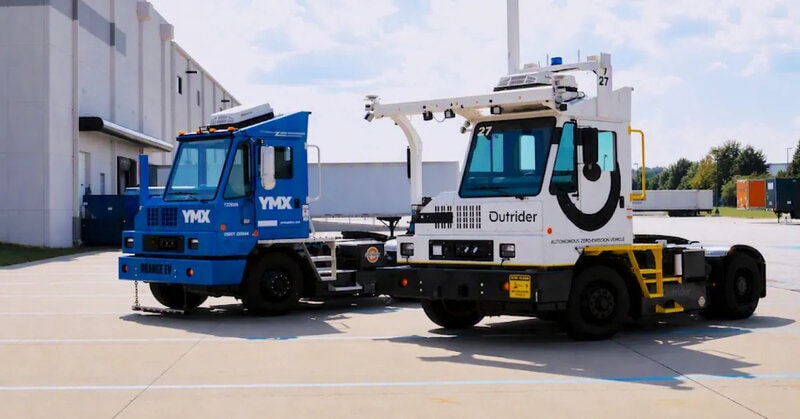



YMX and Outrider Scale Self-Driving Yard Operations
Edited by Mursal Rahman — October 6, 2026 — Business
This article was written with the assistance of AI.
References: prnewswire & electrek.co
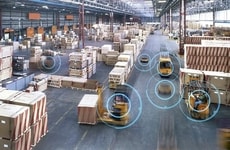
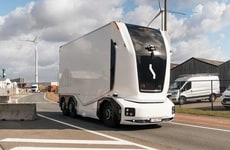
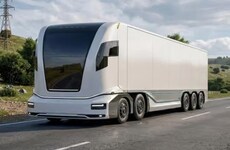
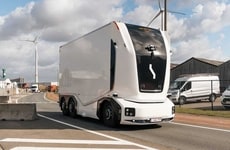
YMX Logistics and Outrider are advancing autonomous logistics yards through a five-year partnership that combines self-driving electric yard trucks with operational support for enterprise shippers. Outrider’s physical AI system can navigate mixed-traffic yards, locate and move trailers, hitch and unhitch loads, position trailers at docks and connect brake lines robotically. YMX will finance, operate and support the fleets, providing customers with a turnkey approach that reduces the complexity and capital requirements associated with autonomous deployments.
The partnership gives large shippers a more accessible way to automate repetitive trailer movements while improving throughput, consistency and safety. For YMX, adding Outrider’s technology strengthens its Autonomous Yard Operating System and expands its service capabilities. Outrider gains a channel for deploying its technology across major customer sites, initially targeting food and beverage, retail, consumer packaged goods and automotive operations.
Image Credit: YMX Logistics, Outrider
The partnership gives large shippers a more accessible way to automate repetitive trailer movements while improving throughput, consistency and safety. For YMX, adding Outrider’s technology strengthens its Autonomous Yard Operating System and expands its service capabilities. Outrider gains a channel for deploying its technology across major customer sites, initially targeting food and beverage, retail, consumer packaged goods and automotive operations.
Image Credit: YMX Logistics, Outrider
Modular Growth Gear
Parents are adopting modular youth gear that is adjustable, upgradeable, and serviceable to accommodate fast-growing athletes and reduce the need for full replacement cycles.
Question 1
Do you currently have any children under 18 who participate in organized or recreational sports?
Question 2
Have you ever purchased sports gear designed to adjust as your child grows?
Question 3
When your child outgrows a piece of sports gear, how much of a problem is having to replace it?
Question 4
What bothers you MOST about replacing outgrown gear?
Question 5
How likely would you be to choose sports gear that adjusts or upgrades as your child grows the next time you buy one?
Trend Themes
-
Turnkey Yard Automation — Bundled financing, operations and support models lower adoption barriers for autonomous yard systems, creating openings for service-led automation platforms in high-volume logistics environments.
-
Physical AI Logistics — Self-driving yard trucks with robotic hitching, trailer spotting and brake-line connection capabilities signal new potential for AI systems that automate complex physical workflows beyond warehouse interiors.
-
Electric Yard Fleets — Battery-powered autonomous yard vehicles combine emissions reduction with labor efficiency, expanding the market for integrated clean-energy mobility solutions in industrial sites.
Industry Implications
-
Supply Chain Management — Enterprise shippers gain more predictable trailer movement and dock flow, highlighting opportunities for intelligent orchestration tools that connect yards, warehouses and transportation networks.
-
Food and Beverage — High-throughput distribution sites with repetitive trailer moves are well suited to autonomous yard operations, enabling more consistent cold-chain handling and faster facility turnaround.
-
Automotive Logistics — Large manufacturing and parts distribution campuses can benefit from automated yard coordination, supporting safer mixed-traffic operations and more resilient just-in-time material flows.
3.6
Score
Popularity
Activity
Freshness