





Google AI Mode Calls Stores To Locate Items
Edited by Kanesa David — April 21, 2026 — Tech
This article was written with the assistance of AI.
References: google & techcrunch
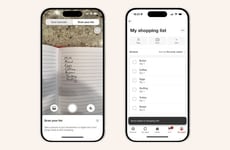
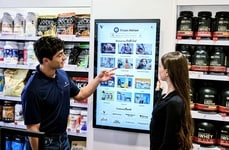
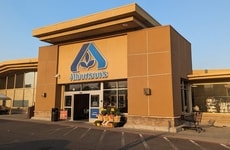
Google introduced an agentic update to AI Mode that helps shoppers find in‑stock items at nearby stores, featuring an assistant that can call local retailers on your behalf. The capability, which first appeared in Search last November, rolled out to AI Mode in the United States and accepts natural descriptions like specific product features and fit requirements.
The update also added hotel-level price tracking inside Search, letting users toggle alerts for a named property on desktop or via the Prices tab on mobile; Google will email price-change notifications for chosen travel dates. Google paired the rollout with travel interest data highlighting surges in queries for AI travel assistants and destination trends for summer 2026.
For consumers, the store‑calling feature streamlines last‑minute shopping and reduces time spent phoning multiple locations, while hotel price tracking tightens trip planning. Both additions reflect a broader shift toward AI assistants handling transactional, real‑world tasks for users.
Image Credit: Nopparat Khokthong / Shutterstock
The update also added hotel-level price tracking inside Search, letting users toggle alerts for a named property on desktop or via the Prices tab on mobile; Google will email price-change notifications for chosen travel dates. Google paired the rollout with travel interest data highlighting surges in queries for AI travel assistants and destination trends for summer 2026.
For consumers, the store‑calling feature streamlines last‑minute shopping and reduces time spent phoning multiple locations, while hotel price tracking tightens trip planning. Both additions reflect a broader shift toward AI assistants handling transactional, real‑world tasks for users.
Image Credit: Nopparat Khokthong / Shutterstock
Modular Growth Gear
Parents are adopting modular youth gear that is adjustable, upgradeable, and serviceable to accommodate fast-growing athletes and reduce the need for full replacement cycles.
Question 1
Do you currently have any children under 18 who participate in organized or recreational sports?
Question 2
Have you ever purchased sports gear designed to adjust as your child grows?
Question 3
When your child outgrows a piece of sports gear, how much of a problem is having to replace it?
Question 4
What bothers you MOST about replacing outgrown gear?
Question 5
How likely would you be to choose sports gear that adjusts or upgrades as your child grows the next time you buy one?
Trend Themes
-
Agentic Store-calling Assistants — Represents a move toward AI agents that autonomously contact local retailers to verify item availability, enabling new models of instant reservation and last‑mile orchestration.
-
Natural-language Inventory Search — Reflects consumers describing products by features and fit rather than SKU, which opens possibilities for semantic matching across heterogeneous inventory systems.
-
Integrated Price-tracking in Search — Signals embedding of dynamic price alerts directly into search interfaces, shifting how travelers and shoppers monitor and act on time‑sensitive pricing information.
Industry Implications
-
Brick-and-mortar Retail — Standards and systems for real‑time stock signaling and reservation could disrupt foot‑traffic conversion and inventory turnover strategies.
-
Travel and Hospitality — Embedded hotel price tracking within search platforms points to new demand for personalized pricing intelligence and targeted retention through alerting mechanisms.
-
Local Services and Call Centers — Automation of customer phone interactions by AI agents suggests a redefinition of local service orchestration, workforce roles, and outsourcing models.
2.7
Score
Popularity
Activity
Freshness