





AI Essay Grader Evaluates Writing And Generates Feedback Instantly
References: ai-essay-grader
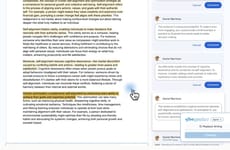
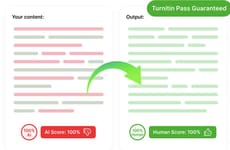
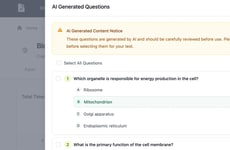
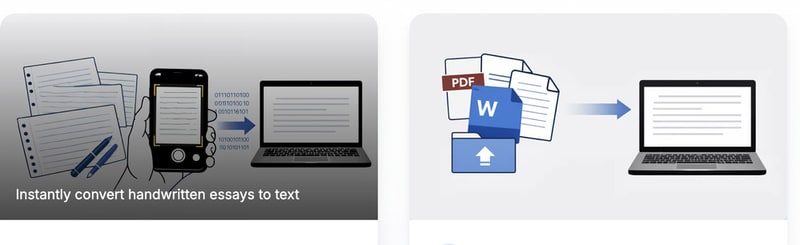
AI Essay Grader is an educational technology tool designed to automate the evaluation of student essays using artificial intelligence. The platform analyzes written submissions and produces scores alongside structured feedback, helping educators assess writing quality more efficiently.
By handling repetitive grading tasks, the system aims to reduce administrative workload while maintaining consistent evaluation criteria. From a business perspective, AI Essay Grader reflects a broader shift toward AI-assisted workflows in education, where automation supports scalability in classrooms facing increasing student volumes and limited instructional time. The tool also highlights ongoing discussions around balancing efficiency with human oversight in academic assessment.
As institutions explore digital learning solutions, platforms like AI Essay Grader demonstrate how AI can augment teaching processes by streamlining evaluation while allowing educators to focus more on instruction and student engagement.
Image Credit: AI Essay Grader
By handling repetitive grading tasks, the system aims to reduce administrative workload while maintaining consistent evaluation criteria. From a business perspective, AI Essay Grader reflects a broader shift toward AI-assisted workflows in education, where automation supports scalability in classrooms facing increasing student volumes and limited instructional time. The tool also highlights ongoing discussions around balancing efficiency with human oversight in academic assessment.
As institutions explore digital learning solutions, platforms like AI Essay Grader demonstrate how AI can augment teaching processes by streamlining evaluation while allowing educators to focus more on instruction and student engagement.
Image Credit: AI Essay Grader
Consumer Demand Drives Foldable and Multi-Screen Devices
Consumers are adopting foldable and multi-screen devices as they seek more versatile and pocketable screen options for enhanced mobility and functionality.
Question 1
Which of the following types of devices have you personally used in the past 12 months?
Select up to 8
Question 2
What are the main reasons you use or chose this type of device?
Select up to 3
Question 3
How likely would you be to choose a foldable or multi-screen device the next time you purchase a smartphone, tablet, or laptop?
Trend Themes
-
AI-assisted Assessment — Creates scalable, standardized evaluation pipelines that shift educator time from routine grading to higher-value instructional tasks.
-
Automated-feedback Personalization — Granular, formative feedback tailored to individual student writing profiles, potentially improving learning outcomes at scale.
-
Algorithmic Evaluation Transparency — Growing demand for interpretable scoring models and audit trails to ensure fairness and institutional trust in automated grades.
Industry Implications
-
K-12 Education — Widespread adoption could recalibrate assessment practices across classrooms confronting large student-to-teacher ratios.
-
Edtech Platforms — Integration of automated grading features that refocus product differentiation toward analytics and teacher-facing workflow tools.
-
Higher Education Administration — Administrative units confronted with accreditation and assessment reporting could leverage standardized AI-generated metrics for comparative program evaluation.
3.2
Score
Popularity
Activity
Freshness