







MRO Automates Registry Workflows With Prodigy
Edited by Mursal Rahman — September 23, 2026 — Business
This article was written with the assistance of AI.
References: prnewswire
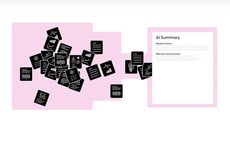
MRO is advancing AI clinical data abstraction with Prodigy, an AI engine designed to automate time-intensive registry workflows while retaining human clinical oversight. The system identifies eligible cases, assists with follow-up and automates more than 60% of data elements, allowing abstractors to focus on validating information rather than manually searching records. Each AI-generated suggestion is traceable to its source, while MRO reports maintaining an accuracy standard above 97%. Prodigy is currently available for NCDR and STS registries, with additional registries planned.
For MRO, combining automation with more than 1,200 clinical data experts addresses staffing constraints without relying entirely on automated decision-making. Faster abstraction can help health systems expand registry capacity while maintaining defensible data for quality programs. The fully managed model also creates a scalable service opportunity for MRO as healthcare organizations face growing clinical data volumes and pressure to improve performance with limited resources.
Image Credit: MRO
For MRO, combining automation with more than 1,200 clinical data experts addresses staffing constraints without relying entirely on automated decision-making. Faster abstraction can help health systems expand registry capacity while maintaining defensible data for quality programs. The fully managed model also creates a scalable service opportunity for MRO as healthcare organizations face growing clinical data volumes and pressure to improve performance with limited resources.
Image Credit: MRO
Consumer Demand Drives Foldable and Multi-Screen Devices
Consumers are adopting foldable and multi-screen devices as they seek more versatile and pocketable screen options for enhanced mobility and functionality.
Question 1
Which of the following types of devices have you personally used in the past 12 months?
Select up to 8
Question 2
What are the main reasons you use or chose this type of device?
Select up to 3
Question 3
How likely would you be to choose a foldable or multi-screen device the next time you purchase a smartphone, tablet, or laptop?
Trend Themes
-
Traceable Clinical AI — Auditable source-linked suggestions are creating new trust layers for healthcare automation, allowing organizations to scale AI-assisted workflows while preserving defensible clinical data standards.
-
Human-in-the-loop Abstraction — Blended models that pair clinical experts with automated data extraction are reshaping registry operations by reducing manual workload without fully removing professional oversight.
-
Managed Registry Automation — Fully managed AI-enabled registry services are emerging as scalable alternatives to internal abstraction teams as hospitals face larger data volumes and staffing shortages.
Industry Implications
-
Healthcare Technology — AI platforms that automate structured clinical data capture are opening competitive space for vendors focused on quality reporting, compliance support, and workflow efficiency.
-
Health Information Management — Registry abstraction, release-of-information, and clinical documentation services are being redefined by automation that shifts staff effort from record searching to validation and governance.
-
Hospital Administration — Operational leaders are gaining access to new service models that expand registry capacity, improve performance reporting, and reduce pressure on limited clinical data resources.
7.5
Score
Popularity
Activity
Freshness